At a glance
Ruined Welsh castle built c.1221 by Llywelyn the Great on a rocky ridge in the Dyfi Valley — the last Welsh castle to fall to Edward I (April 1283). D-shaped towers, carved stonework, magnificent mountain views, and almost always quiet. Free Cadw site; open at all times. 0.5-mile walk from car park. Combine with Talyllyn Railway (2 miles) and Cadair Idris (5 miles). LL36 9UA.
About Castell y Bere
Castell y Bere is one of the finest and least-visited castles in Wales — a ruined Welsh fortress on a rocky spur deep in the Dyfi Valley, built c.1221 by Llywelyn the Great and holding the distinction of being the last Welsh castle to fall during Edward I's conquest of 1282–83. The castle sits in an enclosed mountain valley 7 miles from Tywyn, accessible only by narrow country roads, and receives a fraction of the visitors of Harlech or Conwy — making it one of the most atmospheric castle experiences in Snowdonia.
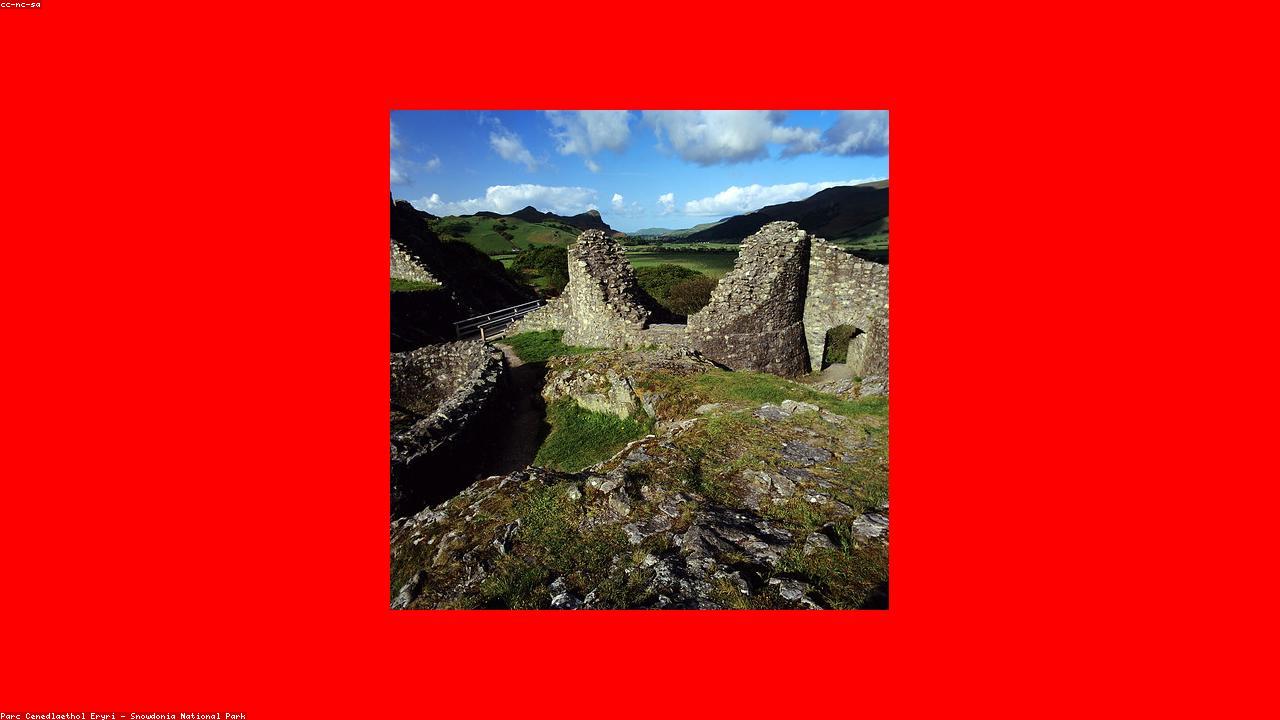
The ruins are substantial: D-shaped towers, sections of curtain wall, carved decorative stonework, and the foundations of the hall. Built in distinctively Welsh style (following the natural rock rather than a geometric English plan), the castle was extended by Llywelyn ap Gruffudd in the 1260s and briefly garrisoned by Edward I after its capture in April 1283 — the last organised act of Welsh military resistance. The nearby hills saw the capture of Dafydd ap Gruffudd (the last Prince of Wales of the native dynasty) shortly afterwards.
A free Cadw site, open at all times. The approach is a 0.5-mile walk along a farm track from the small free car park, adding to the sense of discovery. The valley is green, enclosed, and very quiet — on many visits, Castell y Bere will have no other visitors at all.
Find it on the map
Frequently asked questions
Castell y Bere was built c.1221 by Llywelyn the Great (Llywelyn ab Iorwerth, Prince of Gwynedd and the most powerful Welsh ruler of the 13th century) on a rocky spur in the Dyfi Valley. The location was chosen to control the mountain passes of southern Gwynedd — the routes through the valleys that connected the heartland of Gwynedd to Powys and the south. Unlike the great coastal fortresses of the Welsh princes (such as Criccieth and Dolbadarn), Castell y Bere was an inland fortress designed to project power into the mountainous interior. The castle was built in a distinctively Welsh style — D-shaped towers, an apsidal tower, and a layout following the natural rock rather than the geometric plans of English castle design. It was later extended by Llywelyn ap Gruffudd (Llywelyn the Last) in the 1260s.
Castell y Bere holds the distinction of being the last Welsh castle to fall during Edward I's conquest of Wales in 1282–83. After the death of Llywelyn ap Gruffudd in December 1282, Welsh resistance continued under his brother Dafydd ap Gruffudd. Dafydd retreated into the mountains of Snowdonia, and Castell y Bere — deep in its mountain valley — became one of his final refuges. An English force besieged the castle in April 1283; the garrison surrendered after a brief siege on 25 April 1283. This was effectively the last act of organised Welsh military resistance to the English conquest. Dafydd ap Gruffudd was captured shortly afterwards (in June 1283) in the hills nearby and was executed at Shrewsbury — the first person in recorded history to be hanged, drawn, and quartered. Edward I briefly garrisoned and repaired Castell y Bere, but the castle was abandoned before the end of the 13th century and never reoccupied.
The ruins of Castell y Bere are substantial and evocative despite centuries of neglect. Visitors can see the foundations and lower walls of the main towers (including the distinctive D-shaped south tower), sections of the curtain wall, the site of the hall, and carved decorative stonework — including fragments of sculpture that indicate the castle was a high-status residence as well as a military stronghold. The rocky crag on which the castle stands gives magnificent views across the Dyfi Valley in all directions. The approach across the fields from the car park (0.5 miles on a farm track) adds to the sense of remoteness and discovery. Cadw maintains the site and provides interpretation panels at the castle entrance. Unlike many Welsh castles, Castell y Bere receives relatively few visitors, giving it a quiet, atmospheric quality that more famous sites have lost.
Castell y Bere is genuinely remote by the standards of Welsh tourist attractions — deep in the Dyfi Valley, 7 miles from Tywyn on the coast and accessible only by narrow country roads. The nearest public transport is the Talyllyn Railway (which runs from Tywyn to Abergynolwyn — 2 miles from the castle), but visitors arriving by train would need to walk or take a taxi for the final section. Most visitors arrive by car: the B4405 from Tywyn to Abergynolwyn, then a minor road south into the valley towards Llanfihangel-y-pennant, where there is a small free car park. A 0.5-mile walk along a farm track leads to the castle. The valley is enclosed, green, and very quiet — on many visits, the castle will have no other visitors at all. This remoteness is a significant part of the appeal: Castell y Bere has the atmosphere of a genuine discovery rather than a managed tourist attraction.
Yes — Castell y Bere is approximately 5 miles south of the Cadair Idris massif and makes a natural pairing for a day exploring the southern Snowdonia area. The Minffordd Path to Cadair Idris (the most dramatic approach to the summit) starts from the head of the Tal-y-llyn valley, about 8 miles north of Castell y Bere. The Talyllyn Railway connects Tywyn with Abergynolwyn (2 miles from Castell y Bere) and is within 7 miles of the Cadair Idris trailheads — making it possible to combine the railway, the castle, and the mountain in a two-day itinerary based in Tywyn or Dolgellau. The Dyfi Valley around Castell y Bere is also noted for red kites (which breed throughout the area) and buzzards.