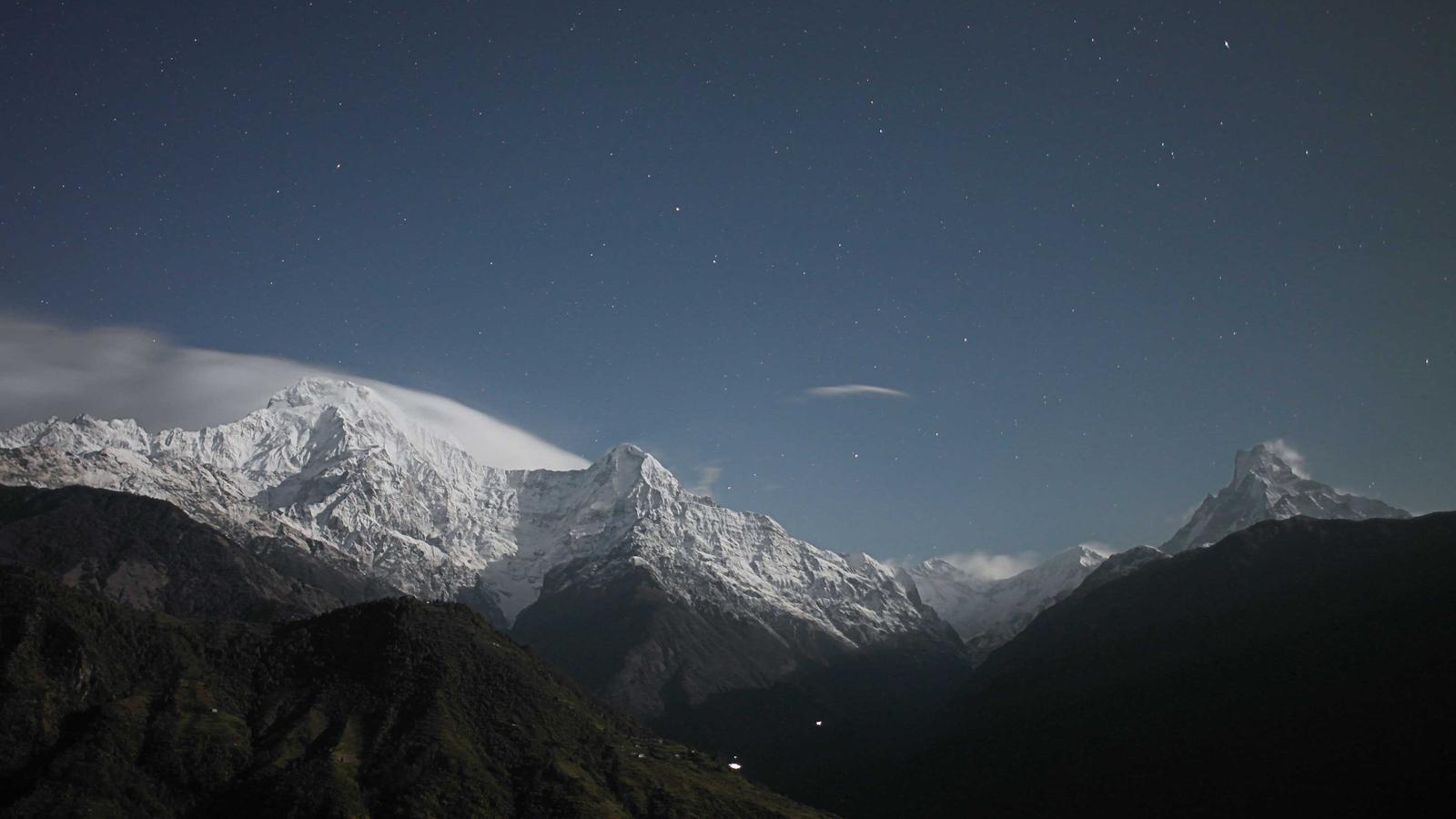
At a glance
Llŷn Dark Sky (LL53 8DE area) — western tip of Wales with Bortle Class 2–3 darkness at Aberdaron and Braich y Pwll. Milky Way over Bardsey Sound in summer. No formal IDA designation but sky quality equivalent to designated areas. Free. Car essential. Best June–September (Milky Way) or winter (longest nights).
About Llŷn Peninsula Dark Skies
The Llŷn Peninsula ends at Braich y Pwll — the westernmost mainland point of north Wales — and beyond it is nothing but the Irish Sea and, three miles away, Bardsey Island. On a clear moonless night, standing on this headland with dark water on three sides and no significant light source between you and the coast of Ireland, the sky is extraordinary. The Milky Way is not a suggestion but a fact: a dense, structured, cloud-like arc from horizon to horizon, full of depth and detail invisible from any lit landscape.
The Llŷn is one of the darkest accessible parts of England and Wales — sparsely populated, surrounded by sea, well west of the light domes of any large city. Aberdaron village has a car park; the headlands beyond it are open. Come at new moon, in summer for the galactic core, in August for the Perseids. Bring a red torch and your patience. Wait for your eyes to adapt. Then look up.
Find it on the map
Frequently asked questions
The Llŷn Peninsula (Pen Llŷn in Welsh) projects westward into the Irish Sea from the mountains of Snowdonia, creating a finger of land surrounded by dark water on three sides. The peninsula is sparsely populated — the main settlements (Pwllheli, Abersoch, Nefyn, Aberdaron) are small and their combined light pollution is minimal by any standard. West of Pwllheli, the peninsula becomes progressively darker: Aberdaron at the tip has effectively no nearby light pollution to the west, south, and north, and very little to the east. The result is a sky of exceptional quality — Bortle Class 2–3 in the darkest areas (equivalent to genuinely rural conditions far from any urban centre). The south Llŷn coast and the headlands at Braich y Pwll and Mynydd Anelog are particularly outstanding.
The best locations are at the western end of the peninsula: Aberdaron village and its surrounding coast give excellent south and west horizons with minimal light pollution. Braich y Pwll (the tip of the peninsula) is one of the darkest accessible points in Wales — looking west towards Ireland, there is no light source between you and the Wicklow coast. The minor roads and headlands around Mynydd Anelog (above Aberdaron) give elevated viewpoints with 360° dark sky. On the south coast, the beaches at Porth Neigwl (Hell's Mouth) and Abersoch give south-facing views across Cardigan Bay, with the Milky Way arching over the sea in summer. The north coast around Nefyn is also reasonably dark, though the light dome of Caernarfon is detectable to the north-east.
The Milky Way seen from a genuinely dark sky site is one of the transformative experiences of the natural world — and the Llŷn Peninsula provides conditions for this that are rare in the populated parts of Britain. In summer (June–September) and on a moonless night, the galactic centre of the Milky Way is visible in the southern sky as a dense band of stars and dust clouds stretching from the horizon through Scorpius and Sagittarius and arching overhead through Cygnus. From Aberdaron or Braich y Pwll, this arc rises from the dark sea horizon and crosses a sky that is almost certainly darker than anything most visitors have ever experienced outside a wild camping trip. With the Bardsey Sound below and the Bardsey Island lighthouse marking the horizon, the view is extraordinary. Dark-adapted eyes (taking 20–30 minutes to reach their full sensitivity) are essential.
All major meteor showers are visible from the Llŷn Peninsula, enhanced by the exceptional sky quality. The best annual showers for observation on Llŷn are: the Perseid shower (peaking 12–13 August) — active in warm summer nights and producing up to 100 meteors per hour at peak in dark skies; the Geminid shower (peaking 13–14 December) — often the most prolific shower of the year (up to 120 meteors per hour), best observed in early winter darkness when nights are long; the Leonid shower (November); and the Quadrantid shower (early January). The Perseids are the most popular owing to the warm summer nights; the Geminids are more reliable in terms of meteor counts but require warm clothing in December. The radiant point of each shower is the apparent origin of the meteors in the sky — all are visible from the Llŷn Peninsula.
The Llŷn Peninsula (Pen Llŷn) is an Area of Outstanding Natural Beauty (AONB) and is recognised for its dark sky quality, though it does not currently hold a formal International Dark-Sky Association (IDA) designation. Work towards a formal dark sky status has been discussed as part of the AONB management plan. Neighbouring Snowdonia (Eryri) is a designated Dark Sky Reserve; Anglesey is a designated International Dark Sky Island. The Llŷn Peninsula's skies are measurably comparable in quality to these designated areas, and may achieve formal designation in future. In practical terms, the sky quality at the western tip of the peninsula is equivalent to or better than many formally designated areas — the absence of designation does not diminish the experience.