At a glance
Wales's longest pier (700 metres, opened 1878) on Llandudno's North Shore — free to walk end to end, with amusements, café, and views back to the Victorian seafront and Great Orme. Grade II listed. LL30 2LP.
About Llandudno Pier
Llandudno Pier opened in 1878 and extends 700 metres from the North Shore promenade into Llandudno Bay — Wales's longest pier and one of the finest Victorian seaside piers in Britain. The structure is Grade II listed, recognised for its architectural and historical significance as a remarkably intact example of its type. The ironwork columns, the deck railings, the pavilion buildings, and the overall arrangement are largely as designed by James Brunlees in the 1870s, giving the pier an authenticity rare in seaside attractions that have typically been modified, damaged by storms, or demolished over the intervening century and a half.
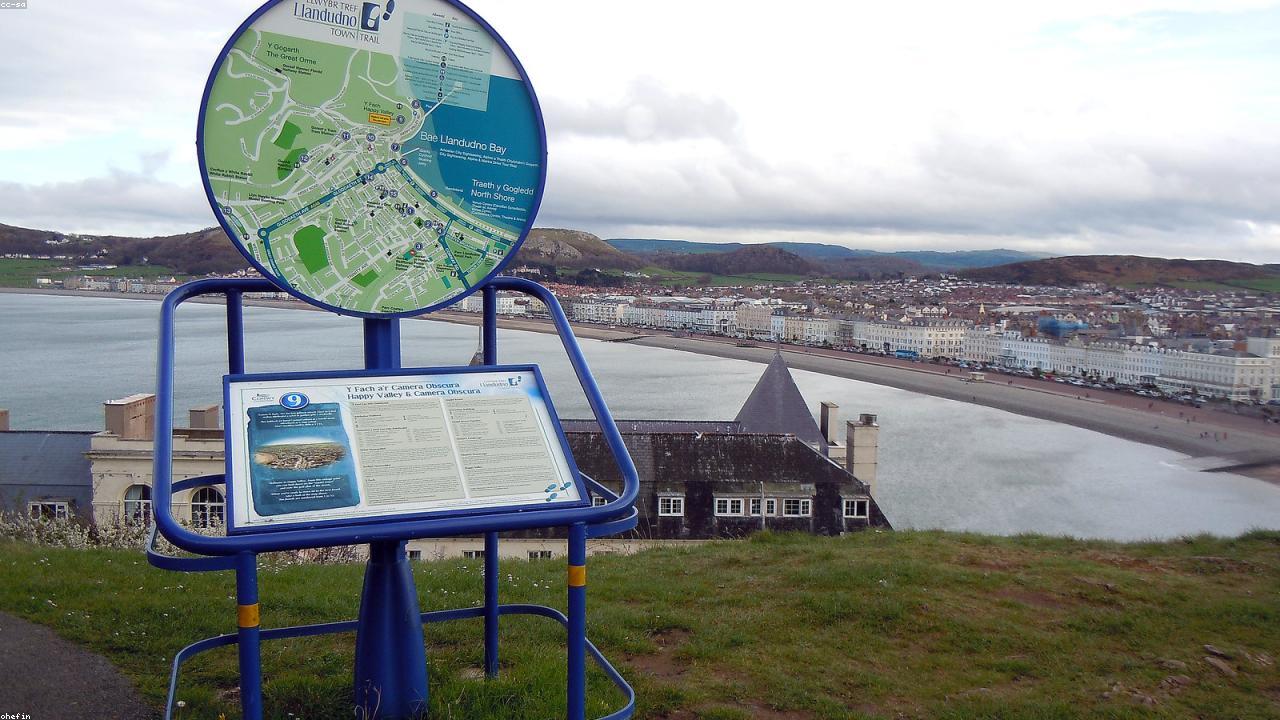
The pier is free to walk from one end to the other. Amusements, arcades, and the pier head pavilion offer traditional seaside entertainment at individual prices. The most straightforward pleasure is the walk itself: leaving the promenade, walking out over the water, and arriving at the pier head with views in all directions — back to the unbroken crescent of Victorian hotels along the North Shore, the Great Orme rising 207 metres above the western end of the bay, the Little Orme closing the eastern horizon, and on clear days the mountains of Snowdonia visible to the south-west across the Conwy estuary.
The pier sits at the centre of Llandudno's North Shore, immediately accessible from the promenade. The Great Orme Tramway (cable-hauled, Victorian, the only one of its kind remaining in Britain) departs from Church Walks 5 minutes' walk away. Conwy and its UNESCO walled town are 5 miles west on the A547. Llandudno Junction railway station is 2 miles, with direct services to Holyhead, Chester, and London Euston.
Find it on the map
Frequently asked questions
Llandudno Pier is 700 metres (2,296 feet) long — Wales's longest pier and one of the longest in Britain. It extends from the North Shore promenade at the foot of the Great Orme headland out into the bay, ending in a pavilion at the pier head. The walk to the end and back takes 20–30 minutes at a comfortable pace. The views from the pier head back to the intact Victorian crescent of seafront hotels, with the Great Orme rising above, are among the best in the resort.
Walking the full length of the pier is free of charge. The amusements, arcades, and any attractions in the pier head pavilion are charged separately. Cafés and stalls on the pier operate at normal prices. The pier is a genuine Victorian public amenity — designed to be accessible to all promenaders — and maintains this democratic character: entry to walk the structure costs nothing.
The pier has traditional seaside amusements — slot machines, fairground games, a ghost train in season — as well as a café and gift shop. The pier head pavilion has hosted entertainments since the Victorian era. Fishing from the pier is possible (check current regulations). The most enjoyable simple activity is walking to the end, looking back at the Victorian seafront and Great Orme, and on clear days identifying the headlands and coastal features of the North Wales coast in both directions.
Llandudno Pier opened in 1878, replacing an earlier, shorter structure. It was designed by James Brunlees and built to serve the growing Victorian resort. The pier is Grade II listed — a formal recognition of its architectural and historical significance. It has undergone various repairs and renovations over the years but retains its Victorian character. The pier pavilion at the landward end has been rebuilt, but the ironwork structure extending into the sea is largely original.
The pier is the starting point for exploring Llandudno's Victorian seafront. The North Shore promenade extends east from the pier toward the Little Orme. At the western end of the promenade, the Great Orme Tramway ascends to the 207-metre summit — the highest point with panoramic views. The Great Orme copper mines (3,700 years old) are on the headland. Conwy, with its UNESCO walled town and castle, is 5 miles west. The Alice in Wonderland connections (the White Rabbit statue is on the West Shore) add another dimension to a town with more layers than the typical British seaside resort.