At a glance
Bodelwyddan Castle (LL18 5YA) — Victorian country house near Rhyl with National Portrait Gallery works and period rooms. Adult approx £9. Open April–October. Free parking. A55 J27. Combine with the adjacent Marble Church and St Asaph Cathedral (2 miles). 2–3 hours.
About Bodelwyddan Castle
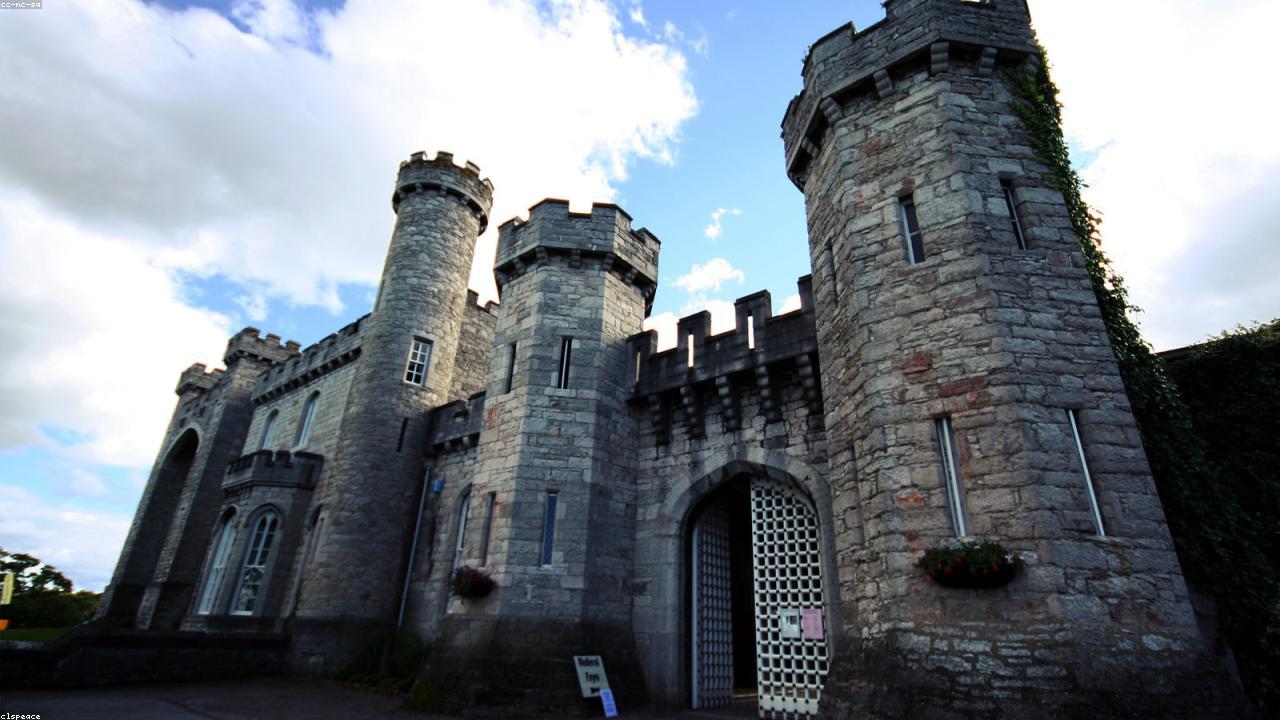
Bodelwyddan Castle stands in the Vale of Clwyd — its castellated towers visible from the A55 as a landmark of the coastal plain between Rhyl and St Asaph. The Victorian Gothic exterior is purely decorative (the present house dates from the 1830s), but inside the restored rooms give a convincing impression of Victorian country house life, enhanced by a selection of portraits from the National Portrait Gallery collection: familiar Victorian faces — writers, politicians, soldiers, royalty — displayed in period rooms that provide an appropriate domestic context for the formality of 19th-century portraiture.
The estate grounds are extensive and pleasant — parkland, formal gardens, and a walled garden. The adjacent Marble Church (St Margaret's) — all alabaster interior and tall spire — is one of the outstanding pieces of Victorian ecclesiastical architecture in Wales, and is free to enter. Together, castle, church, and grounds make a worthwhile half-day in northeast Wales, away from the beach crowds that concentrate at nearby Rhyl in summer.
Find it on the map
Frequently asked questions
Bodelwyddan Castle is a Victorian country house near Bodelwyddan village in the Vale of Clwyd, between Rhyl and St Asaph. Despite the name, it is not a medieval fortification — the castellated exterior (towers, battlements, arrow slits) is purely decorative, a fashionable Victorian Gothic style applied to a country house rebuilt in the 1830s. The house is Grade II* listed. Inside, the restored Victorian state rooms and a collection of portraits from the National Portrait Gallery make it one of the more unusual art venues in Wales. The house is set in parkland with formal gardens, a walled garden, and extensive grounds. A notable neighbour is the Marble Church (St Margaret's) — a Victorian memorial church immediately adjacent, famed for its marble-clad interior.
The interior contains a selection of Victorian portraits from the National Portrait Gallery collection — paintings of famous Victorians displayed in a range of restored rooms reflecting the house's Victorian domestic character. The rooms include a billiard room, drawing room, library, and other period-furnished spaces. The portrait collection focuses primarily on the Victorian era — politicians, writers, scientists, and society figures of the 19th century. The experience combines art gallery and country house museum: visitors can look at well-known faces in an appropriate period setting, rather than a conventional gallery context. There are also hands-on elements aimed at families and interactive interpretation in some rooms.
The grounds cover approximately 200 acres of parkland, formal gardens, and woodland walks. A walled garden, formal parterre, and rose garden are close to the house; further afield, woodland paths and open parkland give a pleasant walking environment. The grounds are a significant part of the visit — particularly for families who want outdoor space after the house tour. The Marble Church (St Margaret's) is immediately adjacent to the estate and can be visited in combination. The grounds have a café and facilities. Dogs are welcome in the grounds (on leads) but not in the house.
The Marble Church (St Margaret's Church, Bodelwyddan) is a Victorian memorial church immediately west of the castle, built in 1856–60 as a memorial to Lady Willoughby de Broke. It takes its popular name from the elaborate interior — marble and alabaster used extensively for columns, floors, and the impressive chancel. The church's tall spire is a landmark visible for miles across the Vale of Clwyd. It is open to visitors and free to enter. The churchyard contains the graves of hundreds of Canadian soldiers who died at the nearby Kinmel Camp military hospital during the 1918–19 influenza pandemic — giving the site an additional solemn historical layer.
Bodelwyddan Castle is approximately 4 miles south-west of Rhyl and 2 miles west of St Asaph, signposted from the A55 expressway (Junction 27). There is free car parking on site. Bus connections exist from Rhyl and Abergele. The nearest railway station is Rhyl (approximately 4 miles), on the North Wales coast main line with frequent services from Chester and Crewe. The castle is well-placed for a day combining the Victorian house with the nearby St Asaph Cathedral (Britain's smallest cathedral) and Rhuddlan Castle (the Edward I fortress on the River Clwyd, approximately 5 miles north).