At a glance
Talacre Lighthouse (CH8 9RH) — 1776 lighthouse stranded on flat beach at Point of Ayr (northernmost point of Wales) as the shore prograded around it over 250 years. External viewing only (Grade II listed, private). Free. Flat accessible beach approach. Combine with RSPB Point of Ayr wader roosts.
About Talacre Lighthouse
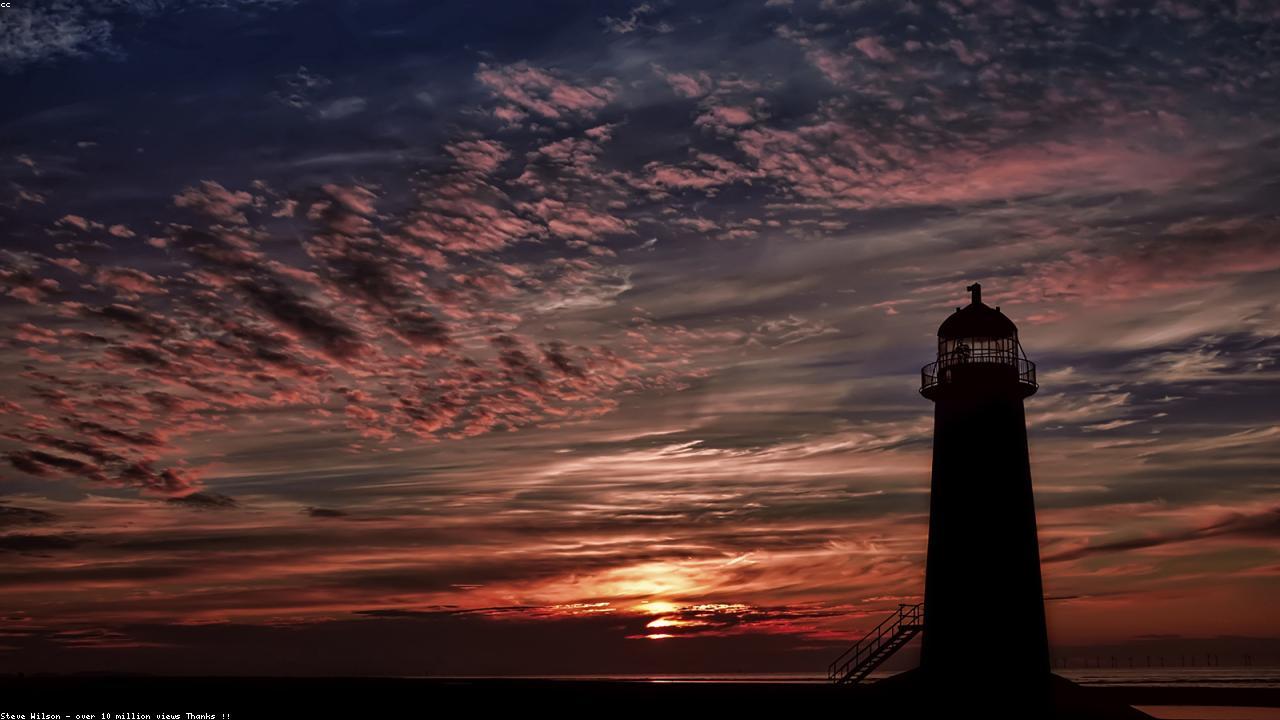
The lighthouse at Talacre has not been abandoned — the beach has grown around it. When Trinity House built the Point of Ayr lighthouse in 1776, it stood at the water's edge. Over two and a half centuries, the tidal currents of the Dee deposited sand and sediment around the point, and the beach prograded outward, year by year, leaving the lighthouse increasingly stranded. Today it rises from flat sand well inland of the tide, looking for all the world like a lighthouse that someone left behind.
The tower is privately owned and closed to the public, but the approach across Talacre's flat beach is easy and the lighthouse makes one of the most distinctive and photogenic images on the north Wales coast. The Dee Estuary stretches to the east; the adjacent RSPB reserve holds some of Britain's greatest concentrations of wading birds in winter. Point of Ayr — the northernmost tip of Wales — is flat, open, windy, and quietly extraordinary.
Find it on the map
Frequently asked questions
Talacre Lighthouse (officially the Point of Ayr Lighthouse) was built in 1776 at the tip of Point of Ayr — the northernmost point of Wales, at the mouth of the Dee Estuary. When it was built, it stood at the water's edge. Over the two and a half centuries since, the beach at Talacre has prograded (grown outward) as sand and sediment deposited by tidal currents accumulated around the point. The lighthouse, fixed in position, was gradually left further and further from the water as the beach grew around it. Today the lighthouse stands well inland of the shoreline on flat sand, creating the appearance that it has been abandoned mid-beach rather than that the sea has retreated from it. This process of coastal accretion has been continuous and remains ongoing.
Talacre Lighthouse is not open for public entry — the tower is privately owned and closed to visitors. The lighthouse can be viewed from outside and approached across the beach; it makes a distinctive and photogenic subject, particularly at low tide when the beach around it is at its most exposed and the full strangeness of the tower's position is apparent. The lighthouse is a Grade II listed building. The beach at Talacre (CH8 9RH) is freely accessible from the car park, and the walk to the lighthouse across the flat sands is easy and suitable for all abilities. The RSPB Point of Ayr reserve on the adjacent shore gives excellent views of the Dee Estuary wader roosts.
Point of Ayr (Trwyn y Gorlech) is the northernmost point of Wales — the tip of the Flintshire coast where the River Dee estuary meets the Irish Sea. It is a low-lying sandy point formed by the deposition of sediment carried by the tidal currents of the Dee. The landscape is flat and open, with extensive beaches, dune systems, and the RSPB Point of Ayr reserve. Until 1996, the nearby Point of Ayr Colliery was the last working coal mine in Wales — the pithead structures are still visible from the beach. The combination of lighthouse, defunct mine, dune system, and internationally important wader roosts makes Point of Ayr one of the most distinctive and historically layered coastal landscapes in north Wales.
Talacre Lighthouse photographs well in a variety of conditions. Low tide gives the most dramatic setting — the lighthouse stands on flat firm sand with the widest possible beach around it. Sunrise (when the beach is likely to be deserted) provides the warmest light and atmospheric reflections in any water still on the sand. The lighthouse faces roughly west-north-west, making late afternoon light particularly attractive in summer. Autumn and winter storm conditions (with dramatic skies and heavy swell beyond the beach) can produce powerful images. The lighthouse is also occasionally reflected in pools left by the tide on the flat sand. Birdwatchers who combine a visit with the adjacent RSPB reserve should aim for high tide for the wader roosts.
Talacre sits at the eastern end of the north Wales coast and combines naturally with several nearby attractions. The RSPB Point of Ayr reserve (adjacent) is one of the best birdwatching sites in north Wales, particularly for winter waders (knot, dunlin, oystercatcher). Prestatyn (5 miles) is the northern terminus of Offa's Dyke Path, the 177-mile national trail along the England-Wales border — the lighthouse and beach make an appropriate coastal starting point before heading south. Rhyl is further east. Rhuddlan Castle (8 miles south) is one of Edward I's first Welsh castles. Together, Point of Ayr, Talacre, and the lower Dee make a worthwhile half-day for birdwatchers, coastal walkers, and photographers.