At a glance
Quiet Cardigan Bay town with a native Welsh castle begun by Llywelyn the Great c.1230 — beach below the headland, Cadwalader's ice cream since 1927, Lloyd George Museum 2 miles east at Llanystumdwy. Cambrian Coast Line railway. LL52 0HB.
About Criccieth
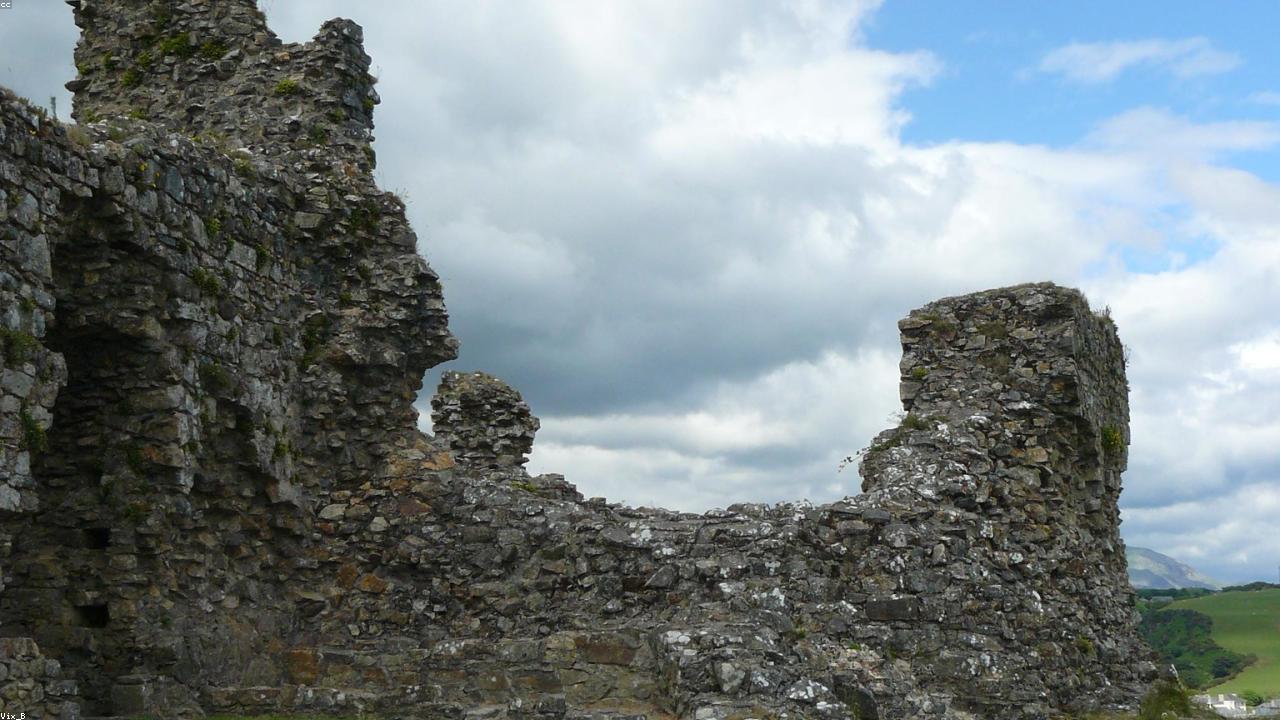
Criccieth is a quiet coastal town on the northern shore of Cardigan Bay — a gentle place with a Victorian seaside character and a castle that predates the English conquest by half a century. Criccieth Castle was begun around 1230 by Llywelyn the Great (Llywelyn ab Iorwerth), the most powerful Welsh ruler of his age, on a natural rock headland above the bay. The twin-towered gatehouse and inner ward are native Welsh work; the outer defences were added by Edward I after 1283. Owain Glyndŵr's forces burned the castle in 1404 and it was never rebuilt, leaving the ruin in its windswept headland position above the sea. Cadw manages the site.
Below the castle, the town itself is pleasant and unhurried. The beach — stretching east from the headland — is clean and good for swimming and for the views west to the castle against the mountains. Cadwalader's ice cream parlour has been in the town since 1927; the cone after a castle visit has become a Criccieth ritual. The Lloyd George Museum at Llanystumdwy, 2 miles east on the A497, tells the story of David Lloyd George — who grew up in the village and became British Prime Minister during World War I — with a genuinely impressive collection.
Criccieth has a Cambrian Coast Line railway station, giving connections to Porthmadog (8 miles) and Pwllheli on the Llŷn Peninsula. Harlech is 10 miles south along the coast, the Ffestiniog Railway and Portmeirion are 8 miles north-east, and Beddgelert and the mountains are 15 miles north via the A487.
Find it on the map
Frequently asked questions
Criccieth Castle is a native Welsh castle begun by Llywelyn the Great (Llywelyn ab Iorwerth) around 1230 — making it substantially older in origin than Edward I's Iron Ring castles, which came 50 years later. Llywelyn built the inner ward and twin-towered gatehouse on a natural headland above Cardigan Bay, using the rock as the primary defence on three sides. After the conquest of 1283, Edward I took the castle and modified it, adding outer defences and a new tower. The castle was captured and burned by Owain Glyndŵr in 1404 during his rebellion against English rule and was never rebuilt. Cadw manages the ruin.
David Lloyd George — British Prime Minister during World War I and one of the most significant politicians in 20th-century British history — grew up at Llanystumdwy, a village 2 miles east of Criccieth. He is buried there beside the River Dwyfor, in a grave designed by Clough Williams-Ellis (the architect of Portmeirion). The Lloyd George Museum at Llanystumdwy (managed by Gwynedd Council) traces his life, career, and legacy with an impressive collection of documents, photographs, and personal items. The boyhood home of Uncle Lloyd (his guardian) is also preserved beside the museum.
Criccieth is a calm, genteel seaside town well suited to families. The beach below the castle headland is clean and sheltered, good for swimming and sandcastles. Cadwalader's ice cream parlour in the town centre has been a family institution since 1927. The castle ruin is accessible and children enjoy exploring the walls and tower, with views across Cardigan Bay to the <span lang="cy">Llŷn</span> Peninsula and (on clear days) south to Cadair Idris. The town has cafés, a small number of shops, and a relaxed pace that suits a half-day stop.
Criccieth has a station on the Cambrian Coast Line — the scenic coastal railway running between Pwllheli on the <span lang="cy">Llŷn</span> Peninsula and Shrewsbury via the Barmouth Bridge and Cardigan Bay coast. Trains stop at Criccieth several times daily, with services to Porthmadog (8 miles, 10 minutes) and Pwllheli (10 miles, 15 minutes). The station is a 5-minute walk from the castle and town centre. The Cambrian Coast route is one of the most scenic railway journeys in Britain.
Criccieth is well placed for exploring the southern <span lang="cy">Llŷn</span> Peninsula and the southern approaches to Snowdonia. Harlech — with its UNESCO castle on a 60-metre rock — is 10 miles south along the coast. Porthmadog, the Ffestiniog Railway, and Portmeirion are 8 miles north-east. Beddgelert and Snowdonia's mountain heart are 15 miles north. The <span lang="cy">Llŷn</span> Peninsula stretches west toward Abersoch, Aberdaron, and Porth Dinllaen. Plas Bodegroes — one of Wales's finest country house restaurants — is 8 miles west near Pwllheli.