At a glance
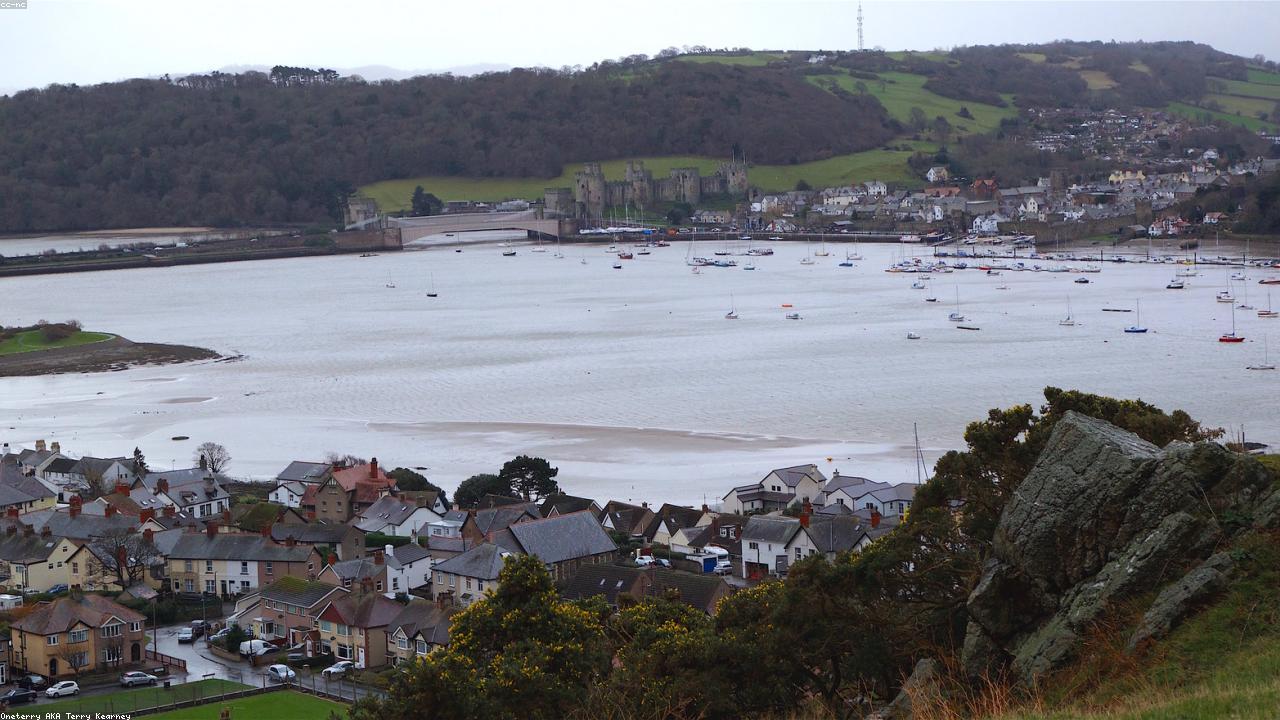
Llangollen is a market town in the Dee Valley, 20 miles from Chester, 80 miles from Manchester — best known for the International Musical Eisteddfod (July), the Llangollen Railway (steam trains along the Dee gorge), horse-drawn canal boat trips, and the UNESCO Pontcysyllte Aqueduct 4 miles east. Dinas Brân castle ruin and Valle Crucis Abbey add historical depth. No main-line railway — car or bus from Ruabon or Chirk is the route in.
About Llangollen
Llangollen occupies a narrow stretch of the Dyfrdwy (Dee) Valley where the river gorge tightens before the valley opens again to the east. The town grew as a coaching stop on the A5 — Thomas Telford's Irish road from London to Holyhead — and the presence of the Horseshoe Pass above and the river below gave it a picturesque quality that the 19th-century tourist recognised and the contemporary visitor still finds. Dinas Brân, the ruined Welsh castle above the town, appears in practically every historical account of the place: George Borrow described its ruins in Wild Wales (1854); J.M.W. Turner painted it; the Romantic tourist circuit of North Wales reliably included the view up from the bridge.
The Llangollen Canal, engineered by Telford and completed in the early 19th century, runs along the northern side of the valley and gives the town its most distinctive activity offer: horse-drawn canal boat trips through the Dee Valley, on a waterway whose greatest engineering achievement — the Pontcysyllte Aqueduct, 4 miles east — is the longest and highest navigable aqueduct in Britain. The canal is now managed as a leisure waterway; the horses that pull the trip boats in the town section represent a continuity of practice with the pre-motorised era that most canal operations have abandoned.
The International Musical Eisteddfod, founded in 1947 as an act of post-war cultural reconstruction, has given Llangollen an annual week in July that transforms the small market town into an international gathering point for folk musicians and dancers from across the world. The Royal International Pavilion, purpose-built for the event, sits in the field beside the Dee and is the venue for the week's competitions and concerts. The rest of the year, Llangollen returns to being a town of pubs, outdoor shops, cafés, and the steady traffic of visitors using it as a base for the Dee Valley and Clwydian Range.
What to see and do
- Pontcysyllte Aqueduct — UNESCO World Heritage Site, 4 miles east at Trevor Basin; boat trips and towpath walk.
- Llangollen Railway — preserved steam railway along the Dee Valley to Carrog (10 miles).
- Horse-drawn canal boats — trips from the town wharf along the Llangollen Canal.
- Dinas Brân — ruined 13th-century Welsh castle on the hill above the town; 45-minute climb, outstanding views.
- Valle Crucis Abbey — Cistercian monastery ruins 2 miles northwest; Cadw admission.
- Horseshoe Pass — dramatic viewpoint road 6 miles northwest on the A542; views over the Dee Valley.
- Llangollen Motor Museum — vintage vehicle collection in the town.
- International Musical Eisteddfod — annual folk music festival in July at the Royal International Pavilion.
Getting to Llangollen
By rail and bus: Nearest stations are Ruabon (6 miles east, Shrewsbury–Chester line) and Chirk (5 miles east). Local bus service X94 connects Wrexham to Llangollen. From Ruabon, taxis or buses connect to the town.
By road: A5 from Oswestry/Shrewsbury (20 miles east) or from the A483 at Ruabon. From Chester: A483 to Ruabon, then A539 — approximately 25 miles. From Manchester: M56, A55, then south via the A543 and A5 — approximately 80 miles, 1 hour 30 minutes.
Parking: Town centre car parks on Market Street and Parade Street, both close to the Dee bridge and canal wharf.
Find it on the map
Frequently asked questions
Llangollen is known for the International Musical Eisteddfod (held annually in July since 1947 — a festival of folk music and dance attracting performers from over 50 countries), the Llangollen Railway (preserved steam railway along the Dee Valley), horse-drawn canal boat trips on the Llangollen Canal, Valle Crucis Abbey (a well-preserved Cistercian abbey 2 miles from the town), and Dinas Brân castle (ruined 13th-century Welsh hillfort with panoramic views above the town). The UNESCO Pontcysyllte Aqueduct is 4 miles east at Trevor Basin.
Llangollen does not have a main-line railway station. The nearest rail connections are at Ruabon (6 miles east, on the Shrewsbury–Chester line) and Chirk (5 miles east). By road, take the A5 from Oswestry or Shrewsbury (approximately 20 miles east), or from the A483 (Wrexham–Oswestry) at Ruabon. From Manchester: M56, A55, A543, A5 — approximately 80 miles, 1 hour 30 minutes. Parking is available in town centre car parks beside the Dee.
The Llangollen International Musical Eisteddfod is a week-long festival held annually in July at the Royal International Pavilion in the town. Founded in 1947 as a post-war initiative for international reconciliation, it brings together folk musicians, dancers, and choirs from over 50 countries in competition and performance. It is one of the largest folk music festivals in the world and one of the most significant cultural events in the Welsh calendar. Visitors attend as audience members; booking is advisable for headline concerts.
Yes. The Llangollen Railway is a preserved steam railway running approximately 10 miles along the Dee Valley from Llangollen station to Carrog, with plans to extend to Corwen. The journey takes approximately 35 minutes each way through the wooded Dee gorge. Trains operate most days during the summer season, with special event days throughout the year. The railway uses a mix of GWR and LMS steam locomotives and is one of the most atmospheric heritage railways in Wales.
Dinas Brân is a ruined 13th-century Welsh hillfort and castle on a prominent hill directly above Llangollen, reachable by a steep footpath from the town in approximately 45 minutes. The castle was built by the princes of Powys Fadog in the 1260s and abandoned within a generation; it was already ruined by the time of Edward I's conquest. The site is free access; the views from the summit over the Dee Valley, the town, and the surrounding hills are outstanding and are the main reason for the climb.
Valle Crucis Abbey (Abaty Glyn y Groes) is a Cistercian monastery founded in 1201, located 2 miles northwest of Llangollen in the Eglwyseg valley. It is one of the best-preserved medieval abbeys in Wales, with substantial upstanding remains including the west facade, chapter house, and fish pond. Managed by Cadw with a modest admission charge, it is accessible by foot from Llangollen (the valley walk is scenic) or by car. The setting in a narrow valley with limestone crags above gives it a quality of contemplative solitude unusual in a publicly visited monument.