At a glance
Llandudno's literary secret — Alice Liddell (Lewis Carroll's inspiration) holidayed on the West Shore in the 1860s. White Rabbit statue on the promenade, free Alice Trail through the town, and exhibits in Llandudno Museum. Free; all ages. LL30 2PH.
About Alice in Wonderland — Llandudno
Llandudno has an unexpected literary distinction: Alice Liddell — the real girl who inspired Lewis Carroll's Alice's Adventures in Wonderland, published in 1865 — spent childhood summer holidays on the town's quieter West Shore in the 1860s. Her father, Henry Liddell (Dean of Christ Church, Oxford), rented a holiday home called Penmorfa on the West Shore promenade. Lewis Carroll knew the Liddell family from Oxford — he was a mathematics lecturer at Christ Church and had begun telling Alice and her sisters the extraordinary stories that would become Wonderland. The Llandudno holidays coincided with this period.
The town celebrates the connection in several ways. A large bronze White Rabbit statue — depicting the pocket-watch-consulting rabbit from Carroll's opening chapter — stands on the West Shore promenade, marking the approximate location of Penmorfa. An Alice Trail walks from this starting point through the town past sites connected to the Liddell family, including St George's Church and other locations from their visits. The trail leaflet is available from the Llandudno Museum, which also has Alice-related exhibits alongside its wider collection on the town's Victorian history.
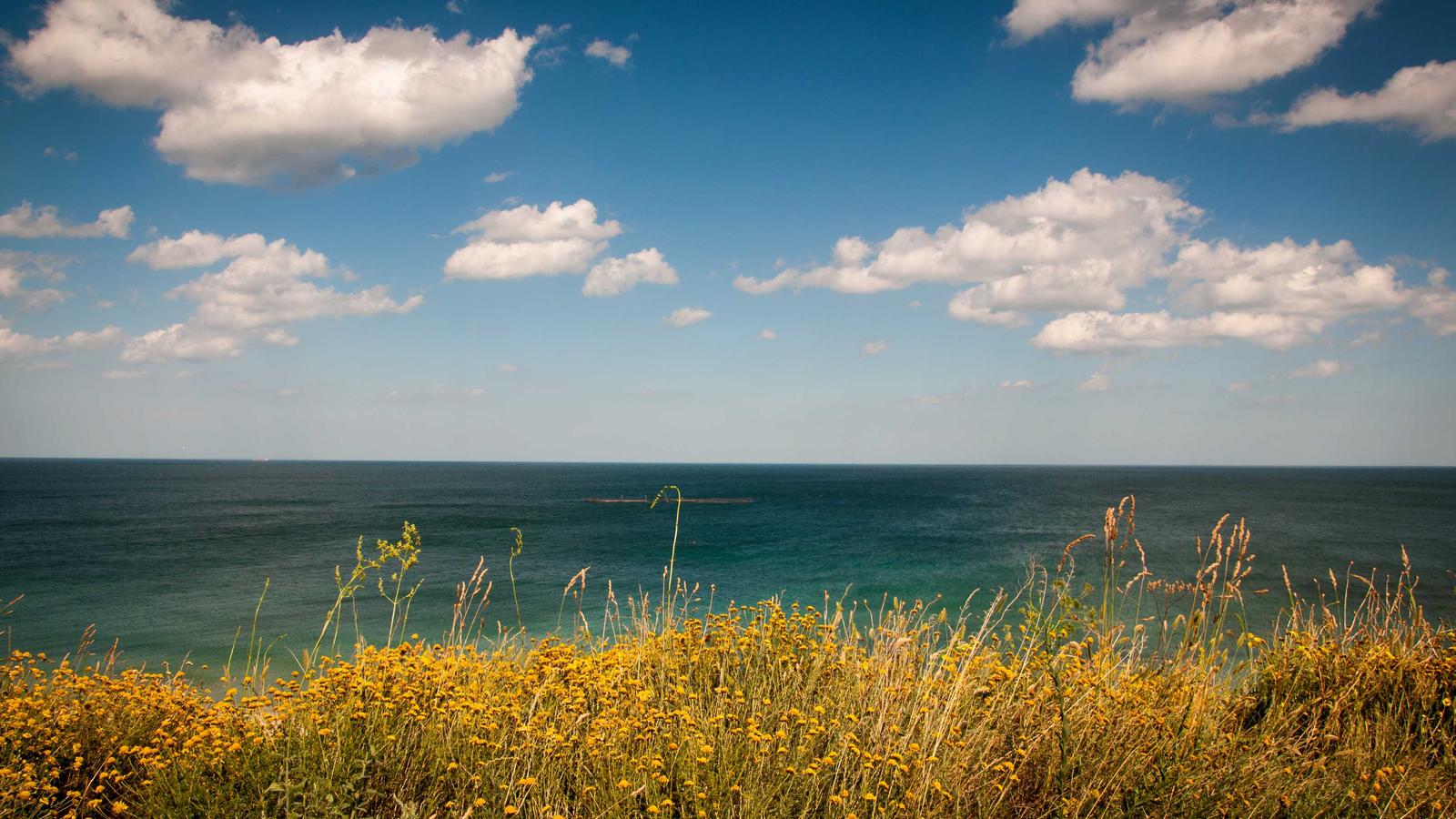
The West Shore itself is worth visiting for its own qualities: quieter and less developed than the famous North Shore crescent, it faces west across the Conwy estuary toward the mountains of Eryri, visible on clear days. The combination of the Alice Trail on the West Shore and the North Shore pier, promenade, and Great Orme makes Llandudno a surprisingly layered destination — more than the traditional British seaside resort it might at first appear.
Find it on the map
Frequently asked questions
Alice Liddell — the real child who inspired Lewis Carroll's Alice's Adventures in Wonderland — spent summer holidays with her family at a house on Llandudno's West Shore in the 1860s. Her father, Henry Liddell (Dean of Christ Church, Oxford), rented a holiday home called Penmorfa on the promenade. Lewis Carroll (the pen name of mathematician Charles Dodgson) knew the Liddell family from Oxford, where Alice and her sisters were frequent visitors to his college rooms. Carroll had already told Alice the stories that would become Wonderland — the Llandudno holidays overlapped with this period of storytelling and the book's composition.
The White Rabbit statue stands on the West Shore promenade — the quieter, less developed shore of Llandudno, facing across the Conwy estuary toward the mountains. The bronze sculpture depicts the White Rabbit in a waistcoat, looking at his pocket watch — a reference to the famous opening of Carroll's book. The statue is a 10-minute walk from the main North Shore promenade and pier, across the narrow neck of the Llandudno peninsula. It is free to visit and easily located on the waterfront.
Yes — Llandudno has an Alice in Wonderland walking trail that threads through the town, marking locations connected to the Liddell family's visits and the Alice story. The trail passes sites including Penmorfa (the holiday house on the West Shore), St George's Church (where the Liddells worshipped), and other locations associated with the connection. Leaflets for the trail are available from the Llandudno Tourist Information Centre and the Llandudno Museum. The trail is free and takes approximately 1–2 hours to walk at a leisurely pace.
Penmorfa — the house on the West Shore where the Liddell family holidayed — still stands on the West Shore promenade, though it is a private property and not open to the public. It can be viewed from the outside as part of the Alice Trail walk. The West Shore itself is a pleasant and quiet stretch of promenade, quite different in character from the busy North Shore — facing west across the Conwy estuary with views to the mountains, it has a calmer and more reflective atmosphere.
The Llandudno Museum on Gloddaeth Street has exhibits relating to the Alice connection, as part of its wider collection on the history of the town and the Conwy area. The museum also covers the Great Orme copper mines, the Victorian resort, and other aspects of local history. Admission to the museum is charged separately (check llandudnomuseum.co.uk for current prices and opening times). The museum is the best starting point for understanding the full context of the Alice connection before walking the trail.