At a glance
Trefriw Woollen Mills (LL27 0NQ) — working Victorian mill on the Afon Crafnant near Llanrwst. Watch Welsh tapestry and tweed weaving on live looms. Free entry. Mill shop. Mon–Sat 10:00–17:00. Free parking. Combine with Llyn Crafnant lake (3 miles) and Gwydir Castle (2 miles).
About Trefriw Woollen Mills
Trefriw Woollen Mills occupies a Victorian mill building on the banks of the Afon Crafnant, the river that flows down from Llyn Crafnant above to join the Conwy in the valley below. The mill has been producing Welsh woollen goods here since the mid-19th century — and continues to do so on historic dobby looms that produce the distinctive double-weave tapestry cloth associated with Wales: geometric-patterned blankets and throws in traditional and contemporary colourways, woven from pure wool.
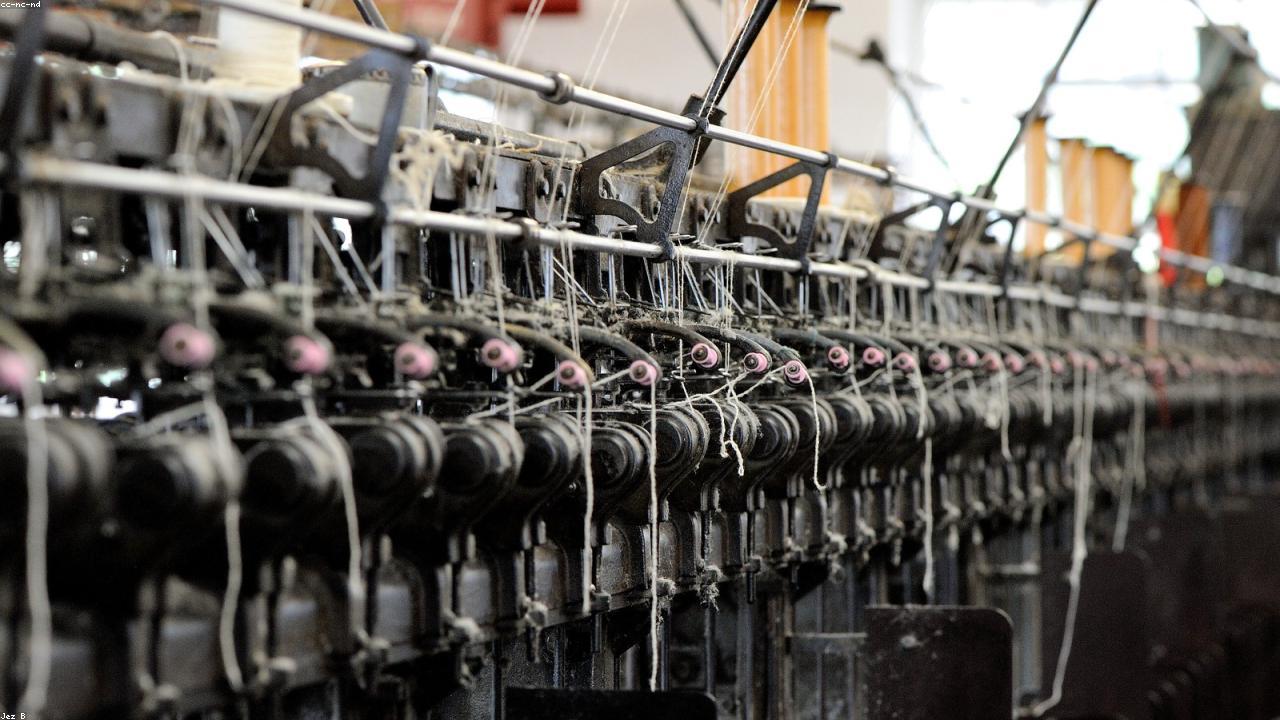
On working days the weaving shed is open for visitors to watch the looms in operation — a free visit to an industrial process that is genuinely rare in modern Britain. The combination of the river, the old building, the rhythmic clatter of the looms, and the colours of the tapestry cloth in progress makes the mill one of the more distinctive short visits in the Conwy Valley. The mill shop sells the full range of products, and the setting — in a quiet village with the wooded hillside behind and the river beside — is quietly beautiful.
Find it on the map
Frequently asked questions
Trefriw Woollen Mills is a working Victorian woollen mill on the banks of the Afon Crafnant at Trefriw village in the Conwy Valley. The mill has been producing Welsh woollen goods on this site since the mid-19th century, powered by the river. Today it is one of the last working woollen mills in Wales, producing traditional Welsh tapestry fabric (double-weave tapestry — the distinctive geometric-patterned blankets and throws associated with Wales), as well as tweeds and other woollen cloth. The weaving shed, with its historic looms in operation on working days, is open for visitors to watch free of charge. The mill shop sells the finished products — blankets, throws, cloth, and made-up garments — direct to visitors.
On working days (Monday–Friday and Saturday), visitors can watch the full weaving process on the mill floor. The weaving shed contains Dobby looms producing Welsh double-weave tapestry — the complex geometric patterns characteristic of Welsh blankets are created by the interweaving of different colours, with no printing or dyeing after weaving. The process from warping (setting up the loom) through to the finished cloth can be observed. There is no formal guided tour — visitors walk through the mill at their own pace. Staff are available to explain the process. The mill shop sells a comprehensive range of Welsh woollen goods: blankets, cushion covers, scarves, throws, and cloth by the metre. Parking is free at the mill.
Welsh tapestry (Tapestri Cymreig) is a distinctive form of double-weave cloth produced in Wales since the 18th and 19th centuries — it became particularly associated with the hill farming communities of mid and north Wales, where wool was readily available. The fabric is woven on a dobby or jacquard loom, with two layers of cloth woven simultaneously in contrasting colours that create geometric patterns — diamonds, chevrons, stars, and striped motifs — that appear the same on both sides of the cloth. Traditional colours include red and cream, black and white, or combinations of natural wool shades. Welsh tapestry blankets were an important part of the Welsh household economy and were displayed at funerals, betrothals, and other significant occasions. The Trefriw Mills produces both traditional patterns and contemporary colourways using traditional weaving methods.
Yes — Llyn Crafnant is approximately 3 miles from Trefriw, reached by a minor road that winds up the hillside above the village. The lake is in a beautiful cirque — a glacially-formed valley — with a café at the lake shore in summer and excellent walking around the lake and into the surrounding hills. The path from Trefriw to Llyn Crafnant (via the valley track) is a pleasant 3-mile walk through woodland and fields, making it a natural combination with a visit to the mill: see the mill in the morning, walk to the lake in the afternoon. The Afon Crafnant that powers the mill flows from the lake above.
Trefriw Woollen Mills is suitable for all ages. Young children generally find the large looms in operation fascinating — the noise and movement of the machinery is engaging. The visit is free, short (45 minutes is usually enough), and there are no restrictions on moving around the mill floor (within reason). The Conwy Valley setting — Trefriw is a quiet village in a beautiful stretch of the valley between Betws-y-Coed and Llanrwst — is pleasant for a walk before or after the mill. The combination of mill, Gwydir Castle (Tudor house near Llanrwst, 2 miles), and Llyn Crafnant lake above makes a full day in the Conwy Valley that does not require driving long distances.