At a glance
22 museums — four with free entry including the outstanding National Slate Museum at Llanberis. North Wales's museum scene reflects its industrial slate heritage, Roman occupation, medieval military history and living Welsh culture.
About museums in North Wales
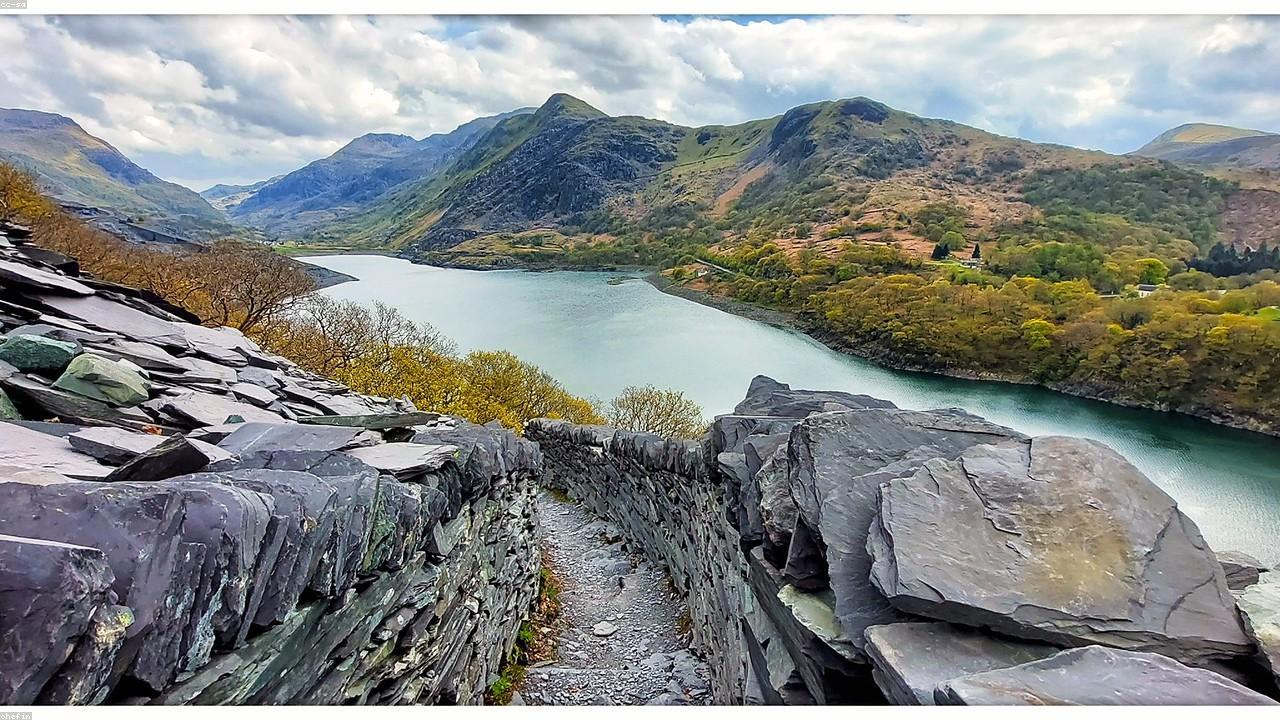
North Wales's museum landscape is dominated by its industrial heritage. The slate industry that transformed Gwynedd in the 19th century — employing 17,000 quarrymen at its peak in the 1890s — left behind an extraordinary industrial archaeology that is now recognised as part of the UNESCO Slate Landscape of Northwest Wales World Heritage Site (2021). The National Slate Museum at the Dinorwig quarry workshop complex in Llanberis is one of the finest industrial museums in Britain, preserving the complete Victorian workshop infrastructure in working order.
Military history is well represented. The Royal Welsh Fusiliers Museum inside Caernarfon Castle covers 330 years of the regiment's history. Beaumaris Courthouse (adjacent to the gaol) gives insight into Victorian justice. For Roman history, Segontium Fort in Caernarfon is the best-preserved Roman fort in Wales with a small but excellent free museum.
The underground experiences at Llechwedd represent North Wales at its most dramatically different — industrial spaces of cathedral scale, repurposed for visitor experience and adventure. Zip World Bounce Below, in the same Llechwedd caverns, is built into what was once the largest slate cavern in the world. (The Electric Mountain power-station tours at Llanberis, once a similar draw, have permanently closed.)
Top 8 museums
Museums by region
- Snowdonia
- National Slate Museum (Llanberis, free — closed for redevelopment to ~2027), Llechwedd Slate Caverns (Blaenau Ffestiniog), Corris Craft Centre and railway museum.
- Conwy & North Coast
- Conwy Royal Cambrian Academy, Aberconwy House (National Trust, medieval merchant's house), Llandudno Museum.
- Anglesey
- Beaumaris Gaol and Courthouse (charged), Anglesey Sea Zoo (charged), Oriel Môn (free, Llangefni — art gallery and heritage museum).
- Wrexham
- Wrexham Museum (free), Llangollen Museum (free), Chirk Castle (NT, charged).
Frequently asked questions
The National Slate Museum at Llanberis (part of Amgueddfa Cymru — Museum Wales) is normally free to enter, but it is currently closed for a major £21m redevelopment until around spring 2027. During the works, some of the collection is on show at Penrhyn Castle (Bangor), the Quarry Hospital in Padarn Country Park, and Cei Llechi in Caernarfon, and it will again be free when it reopens. It occupies the Victorian workshops of the former Dinorwig Quarry, with original machinery, foundry, pattern shop and waterwheel preserved in working order, and daily slate-splitting demonstrations.
Segontium is a Roman auxiliary fort on the edge of Caernarfon, occupied from around AD 77 to AD 390. It was one of the most important Roman forts in Wales, guarding the western approaches to Roman Britain. The visible remains include the outline of the fort walls, barracks and granaries. A small Cadw museum adjacent to the site tells the story of the fort. Entry to both the museum and the site is free. The fort is a 10-minute walk from Caernarfon Castle.
Electric Mountain was the visitor centre for the Dinorwig pumped-storage hydroelectric power station at Llanberis — built inside Elidir mountain in the 1970s–80s, with a turbine cavern large enough to hold St Paul's Cathedral. The visitor centre is now permanently closed: it shut in 2018 and the building has since been demolished, and the underground power-station tours are suspended indefinitely. The power station still operates but is not open to the public.
The Royal Welsh Fusiliers Museum is housed inside Caernarfon Castle — accessible on payment of castle admission or with a Cadw pass. It tells the history of the Royal Welsh Fusiliers regiment from 1689 to the present, with particular focus on campaigns in North America, Napoleonic Wars, World War I (Gallipoli, Somme) and World War II. Among the exhibits are relics from the regiment's service alongside General Wolfe at Quebec in 1759.
Free museums include: the National Slate Museum, Llanberis (Amgueddfa Cymru — currently closed for redevelopment until around 2027); Segontium Roman Fort and Museum, Caernarfon (Cadw); Bangor Museum and Art Gallery; Oriel Môn, Llangefni; and Llangollen Museum. Several heritage railway station museums (Porthmadog, Tywyn) have free-access exhibits. Most Cadw sites include free entry to interpretation facilities with paid castle or monument admission.
Llechwedd Slate Caverns at Blaenau Ffestiniog offers several underground experiences exploring the Victorian slate mining history of Gwynedd. The Victorian Village tour uses a recreated underground village to illustrate the lives of slate miners. Separate Zip World activities (Bounce Below, Titan zipline) operate in different parts of the same site. The town of Blaenau Ffestiniog itself is part of the UNESCO Slate Landscape of Northwest Wales World Heritage Site inscribed in 2021.