At a glance
Closed for redevelopment until around spring 2027. Normally a free national museum in the original Victorian workshops of Dinorwig quarry — working slate demonstrations, the largest working water wheel in mainland Britain, and reconstructed quarrymen's cottages. During the works, some of the collection is on show at Penrhyn Castle, the Quarry Hospital and Cei Llechi. 1 mile from the Snowdon Mountain Railway. LL55 4TY.
About the National Slate Museum
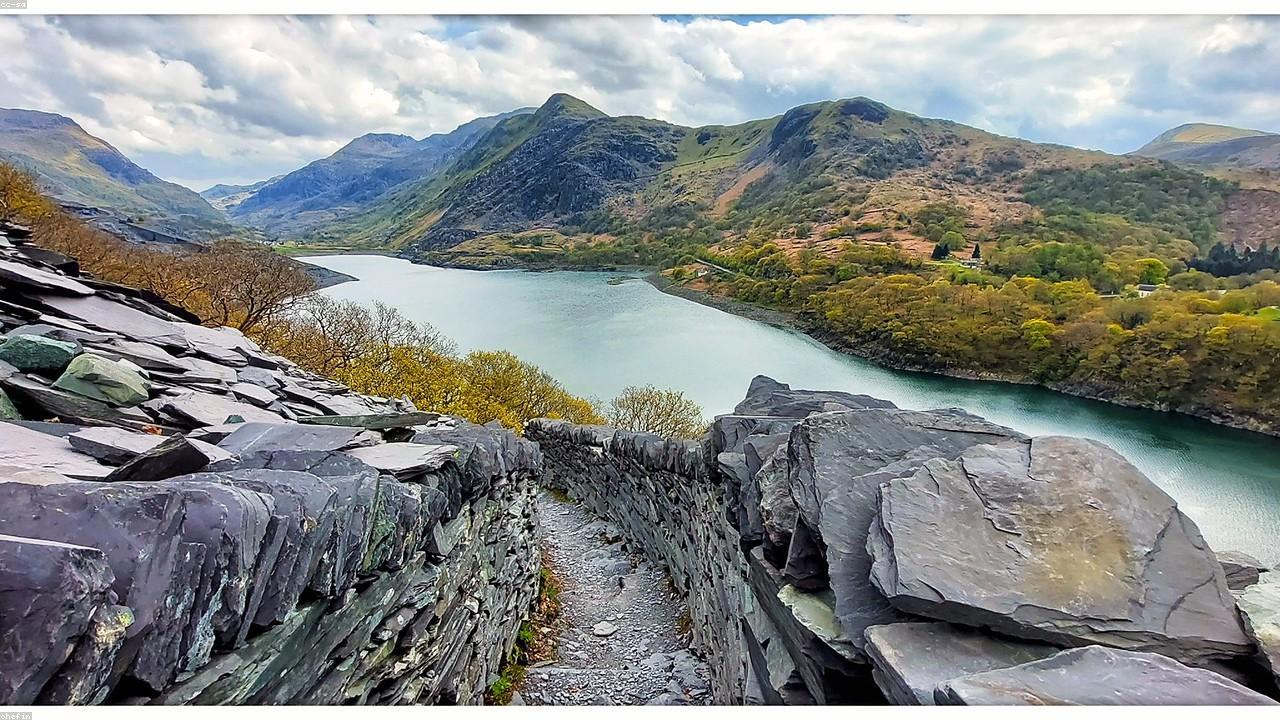
The museum is closed for a major redevelopment until around spring 2027; the description below applies to the museum as it normally operates and to its planned reopening. The National Slate Museum occupies the original Victorian engineering workshops of the Dinorwig slate quarry on the shore of Llyn Padarn at Llanberis. The workshops — built in the 1870s to service one of the largest slate quarries in the world — have been preserved almost intact: the pattern shop, foundry, smithy, machine shop and erecting shop stand as they did when the quarry was working, housing a collection that tells the story of Welsh slate from its geological origins to its global export.
Dinorwig quarry employed up to 3,000 men at its Victorian peak, extracting the blue-grey slate from the terraced faces of Elidir Fawr above Llanberis. The quarry closed in 1969. The mountain was subsequently hollowed out to become the Dinorwig Power Station (Electric Mountain) — but the workshop buildings were preserved and handed to the National Museum of Wales, opening as a museum in 1972. Entry is free, as with all National Museum Wales sites.
Working demonstrations of slate splitting and dressing run throughout opening hours — skilled demonstrators show how Victorian quarrymen produced roofing slates of remarkable thinness by hand. The 15.4-metre water wheel (the largest working water wheel in mainland Britain) has been restored to working order. A row of reconstructed quarrymen's cottages shows domestic life across different eras of the quarry's history. When open, the museum is comprehensively covered and works well in any weather.
Find it on the map
Frequently asked questions
The National Slate Museum is a free national museum occupying the original Victorian engineering workshops of the Dinorwig slate quarry at Llanberis. The museum preserves the workshop buildings — pattern shop, foundry, smithy, machine shop and erecting shop — essentially intact from their working days, and uses them to tell the story of the Welsh slate industry. The quarry workshops date from the 1870s and were the industrial heart of one of the largest slate quarries in the world, employing up to 3,000 men at its peak.
Demonstrators at the museum split and dress slate using traditional techniques — showing how a skilled quarryman could split a single block into roofing slates of remarkable thinness and uniformity. The demonstrators explain the craft while working, making the process comprehensible for visitors of all ages. Demonstrations run throughout opening hours. Visitors can also see the working foundry and pattern shop, where the machinery and tools used in the quarry were made and maintained.
The museum's water wheel is claimed to be the largest working water wheel in mainland Britain, at approximately 15.4 metres in diameter. It was used to power the workshops of the Dinorwig quarry and has been restored to working order. The wheel is one of the most dramatic features of a visit — the scale of Victorian industrial machinery designed to power a major quarry, still turning as it did in the 19th century.
A row of quarrymen's cottages has been reconstructed and furnished to show domestic life in different eras of the quarry's history — one room represents the 1860s, another the 1900s, another the 1960s. The interiors are detailed and informative, giving a sense of the lived experience of the quarry workers and their families. The contrast between the industrial scale of the workshops and the domestic scale of the cottages is one of the museum's most effective juxtapositions.
The National Slate Museum is excellent for children and is one of the best free family attractions in North Wales. The working demonstrations are engaging and comprehensible; the scale of the machinery is impressive; and the free entry removes any pressure to rush. The museum is particularly good on a wet day — most of the main displays are under cover in the original workshop buildings. Allow 2 hours minimum; longer if the children are interested in the demonstrations.
The museum closed in November 2024 for a major £21m redevelopment and is expected to reopen around spring 2027 — free, as before. During the works, parts of the collection and the slate story are presented at other sites: Penrhyn Castle (Bangor), the Quarry Hospital in Padarn Country Park (Llanberis), and Cei Llechi in Caernarfon. The nearby Electric Mountain visitor centre, which interpreted the Dinorwig Power Station built inside the same mountain, has permanently closed and been demolished — so on reopening the Slate Museum will be the main place to understand the slate-and-power story of Elidir Fawr.