At a glance
Market town at the northern end of Llyn Tegid (Wales's largest natural lake) in southern Eryri — Bala Lake Railway, National White Water Centre on the Tryweryn (4 miles), watersports, and strong Welsh-speaking culture. Aran Mountains to the east. LL23 7SR.
About Bala
Bala (Y Bala in Welsh) is a market town at the northern end of Llyn Tegid — Wales's largest natural lake, 4 miles long and 42 metres deep — in the south-eastern corner of Eryri National Park. The town is one of the most strongly Welsh-speaking in all of Snowdonia, with a cultural depth that makes it distinctive among the tourist-oriented villages of the national park: independent shops, a Welsh-medium school, and a history rooted in Nonconformist Christianity and Welsh political consciousness rather than Victorian tourism.
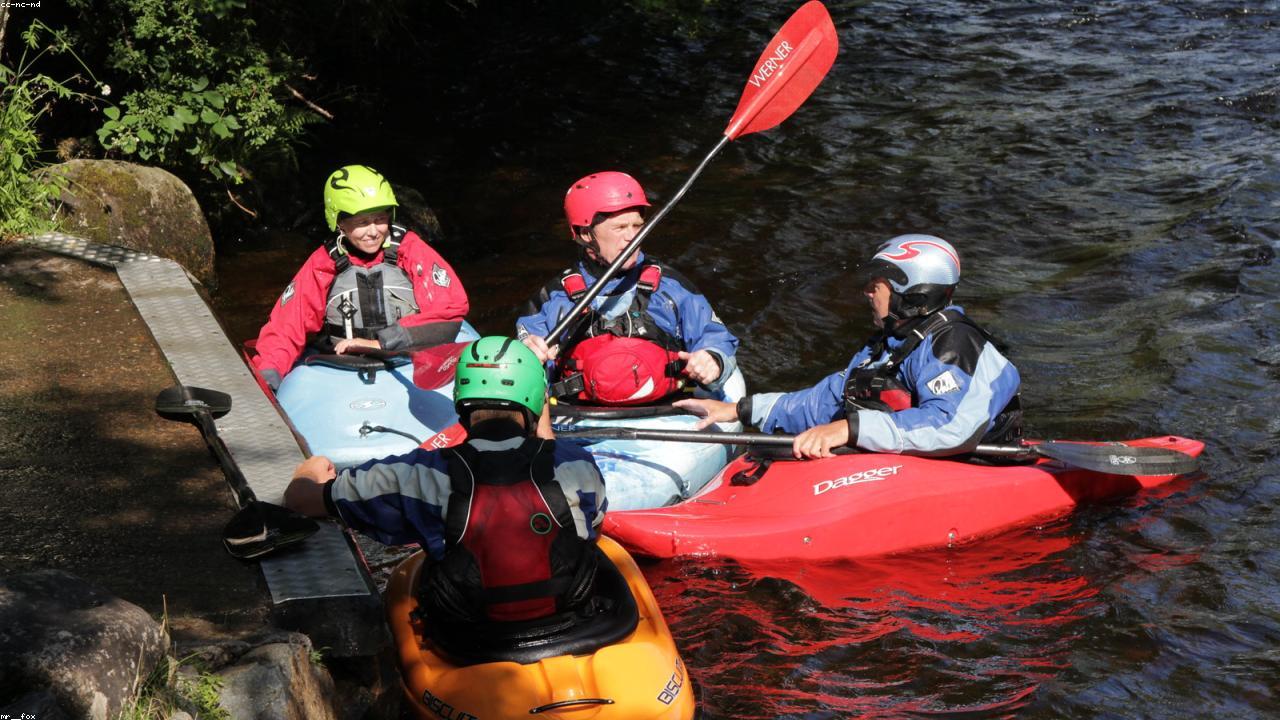
The lake is the centrepiece. Llyn Tegid is both a Site of Special Scientific Interest (home to the gwyniad, a fish found nowhere else on earth, isolated since the last Ice Age) and one of the best watersports venues in Wales — sailing, windsurfing, kayaking, and paddleboarding are all available from the lakeshore centre. The Bala Lake Railway follows the southern shore 4.5 miles to Llanuwchllyn on a former Great Western branch, with views across the water to the Aran Mountains. The National White Water Centre is 4 miles north on the Tryweryn River, offering release-fed white water rafting for all abilities.
The landscape around Bala rewards those who go beyond the water. The Aran ridge — Aran Fawddwy at 905 metres is the highest point in Wales outside Eryri's central massif — provides serious mountain walking with outstanding views. Dolgellau and Cadair Idris are 18 miles south-west. Llangollen and the Dee Valley are 16 miles north-east. The town has a good range of independent cafés, shops, and accommodation year-round.
Find it on the map
Frequently asked questions
Llyn Tegid is the largest natural lake in Wales — 4 miles long, half a mile wide, and up to 42 metres deep — lying in the valley south of Bala at 160 metres above sea level. The lake is fed by the River Dee and has been designated a Site of Special Scientific Interest, partly for its unique fish: the gwyniad, a relative of the Arctic char that has been isolated in Llyn Tegid since the last Ice Age and is found nowhere else in the world. The lake is also one of the best watersports venues in Wales, with a dedicated water sports centre offering sailing, windsurfing, kayaking, and paddleboarding, and conditions suitable for both beginners and experienced sailors.
The Bala Lake Railway is a narrow-gauge heritage railway running 4.5 miles along the southern shore of Llyn Tegid from Bala to Llanuwchllyn, following the route of a former Great Western Railway branch line. The railway uses vintage steam and diesel locomotives and offers outstanding views across the lake to the Aran mountains. The journey takes approximately 25 minutes each way. The railway is operated by volunteers and is one of the "Great Little Trains of Wales." It runs from Easter to October, with more frequent services in summer.
Bala is one of the strongest centres of Welsh language and culture in North Wales — the majority of the population speaks Welsh as a first language, and the town has historical importance as a centre of Welsh Nonconformist Christianity and culture. Thomas Charles of Bala (1755–1814), who lived and worked in the town, was a key figure in the Welsh Methodist Revival and founded the British and Foreign Bible Society. The town has strong independent shops, a Welsh-medium secondary school (Ysgol y Berwyn), and a lively cultural programme. Visitors who make the effort to use basic Welsh phrases are warmly received.
The National White Water Centre (Canolfan Tryweryn) is 4 miles north of Bala on the Tryweryn River — a release-fed white water river fed from Llyn Celyn reservoir, one of the few guaranteed-flow white water venues in Britain. The Centre offers white water rafting for all abilities (no experience required for the guided rafting sessions), kayaking courses, and open canoe sessions. The Tryweryn was controversially dammed in the 1960s to create Llyn Celyn, flooding the Welsh-speaking village of Capel Celyn — an event that galvanised Welsh language and devolution movements.
The Aran Mountains — Aran Fawddwy (905 m) and Aran Benllyn (884 m) — form the ridge east of Llyn Tegid and are accessible from Bala and the villages at the lake's southern end. The ridge walk between the two summits is one of the finest in southern Snowdonia, with views to Cadair Idris, the Rhinogs, and on clear days across to Pembrokeshire. The ascent from Llanuwchllyn (at the southern end of the lake) is the most straightforward approach. The Bala lakeside path offers easy walking along the northern shore. For gentler options, the farmland north of the town has quiet lanes and footpaths with views across the water.