At a glance
Private seabird island SSSI 0.5 miles off Penmon Point, north-east Anglesey — puffins (May–August), guillemots, razorbills, cormorants, shags, and a grey seal colony (pups from August). No landing permitted. Boat trips from Beaumaris (approx. £12–18, April–October). Viewable from Penmon Point car park for free. Penmon Priory and Trwyn Du Lighthouse adjacent. LL58 8TR.
About Puffin Island (Ynys Seiriol)
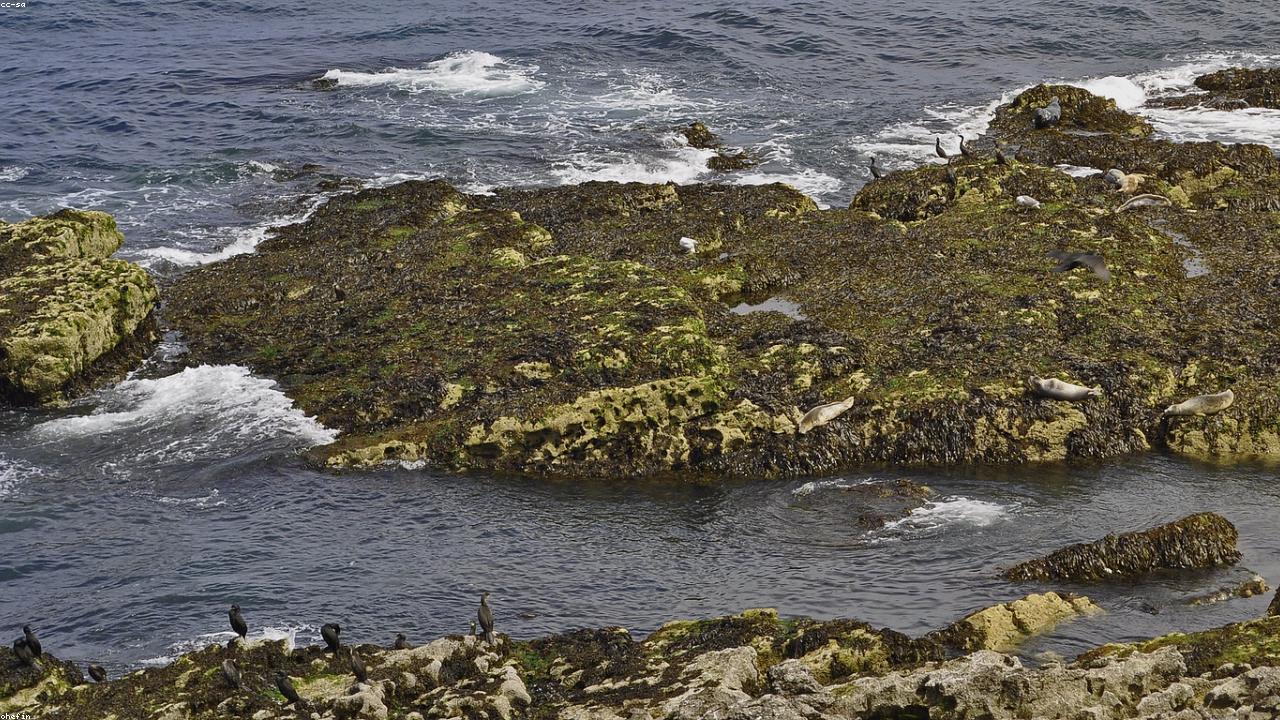
Puffin Island — Ynys Seiriol in Welsh, named for the 6th-century Celtic saint who founded a community there — is a small SSSI seabird island approximately half a mile off Penmon Point at the north-eastern tip of Anglesey. Private and protected (no landing permitted), the island is one of the most important seabird and grey seal sites in north Wales. Puffins breed in burrows on the grassy clifftop from April to August; guillemots and razorbills nest on the cliff ledges in the same season; cormorants and shags are year-round residents; and grey seals haul out on the rocks throughout the year, with pups born in autumn.
The best way to see the island is by boat trip from Beaumaris (4 miles south-west) — operators offer close circumnavigations of the island, giving excellent views of the birds and seals without disturbing them. The island is also clearly visible from the car park and cliff path at Penmon Point (free), where binoculars will reveal birds on the accessible cliff edges. The ruins of the medieval priory and a 19th-century semaphore station are visible on the island from Penmon.
Penmon Priory, Trwyn Du Lighthouse, and Beaumaris Castle (UNESCO World Heritage) are all within 4 miles — Penmon and Puffin Island together make one of the finest heritage and wildlife combinations on Anglesey.
Find it on the map
Frequently asked questions
No — landing on Puffin Island is not permitted. The island is a private nature reserve and Site of Special Scientific Interest (SSSI), and landing is prohibited to protect the breeding seabird colonies and the grey seal pupping sites. The prohibition is enforced throughout the year. However, boat trips from Beaumaris (approximately 4 miles to the south-west) circle the island at close range, giving excellent views of the puffin burrows, guillemot ledges, cormorant and shag colonies, and grey seals on the rocks. The boat trips typically include a full circumnavigation of the island and often slow to allow photography. Puffin Island can also be seen clearly from Penmon Point (0.5 miles across the water) — binoculars allow good views of the seabirds on the visible cliff edges and rocks.
Puffins are present on Puffin Island from approximately April to early August — arriving in spring to breed in burrows on the grassy clifftop and top slopes, and departing offshore for the winter after the breeding season. The peak viewing period for puffins is May to July, when both adults and (from July) newly fledged young are present. Puffins are most active around the burrow entrances in morning and evening; midday can be quieter as birds are offshore fishing. From August onwards, numbers decline rapidly as the birds leave for their oceanic winter. The boat trips from Beaumaris run from April to October and are the best way to see puffins at close range. In addition to puffins, guillemots and razorbills (closely related auks) nest in large numbers on the cliff ledges throughout the same season.
Puffin Island has a long history of human use and ecclesiastical significance. The island takes its Welsh name (Ynys Seiriol) from St Seiriol, a 6th-century Celtic saint who founded a community on the island — the same St Seiriol whose monastic site on the mainland at Penmon (0.5 miles away) became the nucleus for Penmon Priory. The ruins on the island include the remains of a 12th-century Augustinian priory (built on or near St Seiriol's earlier foundation) and a later semaphore station (19th century, part of the chain of semaphore towers that allowed rapid communication along the north Wales coast to Liverpool before the telegraph). The island was used for collecting seabird eggs and puffins for food in the medieval period — a practice that contributed to the species' local name. Victorian tourism brought visitors to view the seabirds, and the island's wildlife-only status is now firmly established.
Puffin Island has one of the more significant grey seal colonies in north Wales — grey seals haul out on the rocks around the base of the island throughout the year, with numbers highest in autumn (August–November) when pups are born. Grey seal pups are born with white fur and spend the first few weeks onshore being nursed by their mothers; they are moulted into the adult grey coat before entering the sea for the first time. The pups are vulnerable and should never be approached or disturbed (even apparently abandoned pups are usually being watched by their mother from the water). Adult grey seals are frequently seen swimming around the island and in the Menai Strait; from Penmon Point, seals can sometimes be seen resting on the rocks even without a boat trip. The seals are habituated to boat traffic and give close views on the Beaumaris boat trips without appearing significantly disturbed.
The waters around Puffin Island and Penmon Point are exceptionally productive for marine wildlife, partly because the strong tidal currents through the northern Menai Strait and around the island create conditions that concentrate fish. Harbour porpoises are regularly seen offshore, particularly in spring and autumn. Common dolphins and bottle-nosed dolphins (the resident Cardigan Bay population sometimes ventures up the coast) are occasional visitors. Gannets (which breed on Grassholm, Pembrokeshire) regularly fish offshore in summer, plunge-diving from height. Manx shearwaters — breeding on Bardsey Island 30+ miles to the south-west — pass offshore on feeding trips and are sometimes seen in good numbers in summer and early autumn. The rocky foreshore at Penmon has good rock pooling. The Penmon area is one of the best all-round wildlife-watching locations on Anglesey.