At a glance
Caernarfon is the historic capital of northwest Wales — a UNESCO World Heritage castle with its distinctive polygonal towers and banded masonry, intact medieval town walls on three sides with the Menai Strait forming the fourth defence, and a strongly Welsh-speaking community within. Site of the 1969 Investiture of Prince Charles. Also: the Roman fort of Segontium, the Welsh Highland Railway, and the Galeri arts centre. No railway station — Bangor (8 miles) is the nearest rail access.
About Caernarfon
Caernarfon has been a defended site since the Romans established their auxiliary fort of Segontium on the ridge above the river in around 77 AD. The fort remained garrisoned for over 300 years — a period of occupation longer than the entire subsequent medieval town's existence up to the present day. Edward I chose the same strategic position for his castle in 1283, recognising in the confluence of the Afon Seiont and the Menai Strait the same qualities that had made it defensible for the Romans: control of the Menai crossing, access from the sea, and a naturally bounded position that minimised the perimeter requiring active defence.
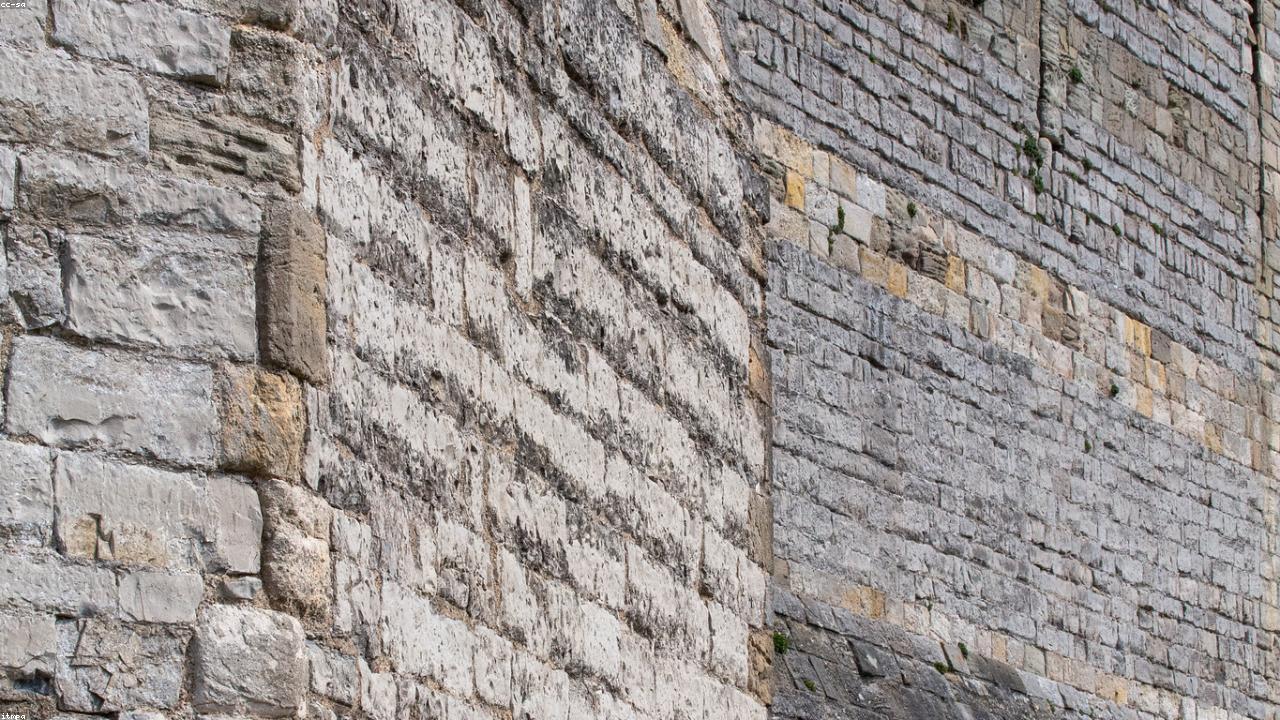
The castle Edward built is architecturally unlike any other in the Iron Ring. Where Conwy, Harlech, and Beaumaris use round towers and conventional castle forms, Caernarfon's polygonal towers and alternating bands of different-coloured stone reference the walls of Constantinople — a deliberate invocation of imperial ambition and the seat of Roman power in the East. The Eagle Tower at the castle's western corner, housing the suite of rooms intended for the King himself, is the most elaborately conceived tower in any Iron Ring castle. The castle took nearly 50 years to build and was still unfinished when the building programme ceased in the 1330s — it has stood incomplete ever since, which gives it a quality of arrested ambition that the more finished castles at Conwy and Beaumaris do not share.
The town within the walls has maintained its Welsh-speaking character through the colonial institution that surrounds it — an irony that the town itself has never been slow to note. Caernarfon's streets, shops, and public life operate substantially in Welsh. The Galeri arts centre on the waterfront represents the contemporary cultural investment; the market in the square on Saturdays represents the continuity with the medieval borough that the castle was built to sustain. Both are genuinely Caernarfon rather than performances for visitors.
What to see and do
- Caernarfon Castle — UNESCO fortress; Eagle Tower, town walls, Investiture exhibition (Cadw admission).
- Town walls — medieval circuit partially walkable; Cadw maintains access.
- Segontium Roman Fort — free Cadw site; one of the best-preserved Roman auxiliary forts in Wales.
- Welsh Highland Railway — restored steam railway departing from beside the castle walls to Porthmadog (22 miles).
- Caernarfon Harbour — working quayside with restaurants and views across the Strait to Anglesey.
- Galeri Caernarfon — arts centre with cinema, theatre, gallery, and café on the waterfront.
- Caernarfon Beach — sandy estuary foreshore, 15 minutes' walk south of the castle.
Getting to Caernarfon
By rail and bus: No direct rail service. From Bangor station (A55 and West Coast Main Line connections), regular Arriva buses (service 5/5C) reach Caernarfon bus station in 25–35 minutes. From Pwllheli (Cambrian Coast Line), buses connect to Caernarfon via the A487.
By road: A487 from Bangor (8 miles north) or Porthmadog (25 miles south); A4086 from Llanberis (7 miles east). From the A55: take Junction 9 at Llanfairpwll (Anglesey) then cross the Britannia Bridge and follow the A487 south, or take the A487 from Bangor. From Manchester: M56, A55 to Bangor, A487 — approximately 110 miles, under 2 hours.
Parking: Several car parks around the castle walls and harbour — Slate Quay (nearest to castle), Victoria Dock. All pay-and-display; busy in summer.
Find it on the map
Frequently asked questions
Caernarfon is known for Caernarfon Castle — Edward I's most ambitious and architecturally distinctive Iron Ring fortress, built between 1283 and 1330 with banded stone towers and polygonal forms that consciously reference the walls of Constantinople. It is a UNESCO World Heritage Site (Cadw) and the site of the 1969 Investiture of Prince Charles as Prince of Wales. The castle is accompanied by a well-preserved circuit of medieval town walls that encircle the old town on its landward sides, with the Menai Strait forming the natural defence to the south.
Caernarfon Castle is larger, more architecturally ambitious, and more politically symbolic than Conwy Castle. Its polygonal towers — rather than Conwy's round towers — reference the walls of Constantinople as a deliberate statement of imperial ambition. The Eagle Tower, at the castle's western end, is the largest tower of any of the Iron Ring castles. Conwy Castle was built slightly earlier (1283–1287) and in a shorter time; Caernarfon was built over nearly 50 years (1283–1330) and was never fully completed. Both are UNESCO World Heritage Sites.
Caernarfon does not have a railway station — the nearest rail connections are at Bangor (8 miles, regular buses from Caernarfon bus station) and Pwllheli (on the Cambrian Coast Line, 18 miles). By road, the A487 approaches from Bangor to the north and Porthmadog to the south; the A4086 connects to Llanberis and Snowdon. From Manchester: M56, A55 to Bangor, then A487 to Caernarfon — approximately 110 miles, under 2 hours. Parking is available at several car parks near the castle and town walls.
Yes, strongly so. Caernarfon is one of the most Welsh-speaking towns in Wales — the majority of residents speak Welsh as a first language, and the town is at the heart of the <span lang="cy">Bro Gymraeg</span> (the Welsh-speaking heartland of Gwynedd). The town's Welsh identity stands in ironic contrast to the English colonial purpose for which the castle was built. Street signs, shops, and services operate bilingually. The Welsh Highland Railway through the town connects to Porthmadog and operates restored steam locomotives on one of the most scenic narrow-gauge routes in Wales.
Beyond the castle and town walls, Caernarfon offers: the Roman fort of Segontium on the town's eastern edge (Cadw, free) — one of the best-preserved Roman auxiliary forts in Wales; the Galeri arts centre with cinema, theatre, and café; the harbour with its quayside restaurants; the Welsh Highland Railway station and steam train departures; and Caernarfon beach (the sandy estuary foreshore 15 minutes' walk from the town centre). Gypsy Wood Park near Bontnewydd (3 miles south) is a good family addition.
Caernarfon Castle was the site of the Investiture of Prince Charles as Prince of Wales on 1 July 1969 — a ceremony watched by 500 million television viewers worldwide. The Castle Square (Queen Eleanor's Gate area) where the ceremony took place is clearly identified within the castle. The connection to the title "Prince of Wales" is older: Edward I presented his son (the future Edward II) to the Welsh people at Caernarfon in 1301, beginning the tradition of English monarchs granting this title to their heirs. The castle holds a permanent exhibition on the 1969 ceremony.